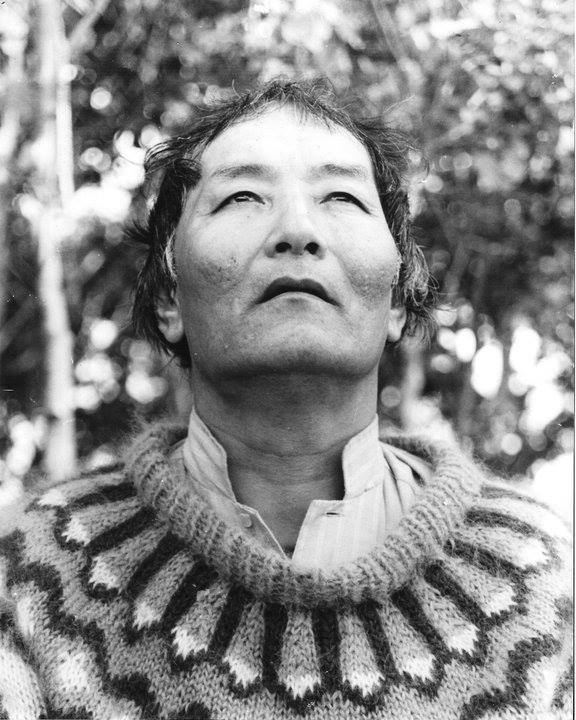
Chögyal Namkhai Norbu: Experiential Instruction on “Dzogchen Medjung”

Namkhai Norbu Rinpoche: “When you are in the primordial state, in what you call the phenomena of emptiness, there exists no subject or object of emptiness.”

Chögyal Namkhai Norbu: Experiential Instruction on “Dzogchen Medjung” The Marvelous State

Now we have the fourth explanation of contemplation.

བཞི་པ་ཐ་སྙད་ཙམ་དུ་བློ་བཞག་
This means that we do not negate or eliminate anything that we have in the relative condition. We just remain in that instant presence and integrate.

གཞག་ཐབས་ནོར་བ་ངོས་གཟུང་སྟེ།  འདི་ལྟ་བྱུ་བྱང་ཆུབ་སེམས་ཀྱི་དོན་མ་རྟོགས་པས་བདག་ཉིད་ཆེན་པོ་ལ་སྤྱོད་ཡུལ་དང་བྲལ་བར་སྨྲ་ཞིང་
If we have done contemplation incorrectly, in a different way, it is very important that we recognize this because it always says that being in the state of contemplation means being beyond all concepts. If we have some concepts and consider that these are contemplation, we are going in the wrong direction. In this case it is very important that we recognize this.

འདི་ལྟ་བུ་བྱང་ཆུབ་སེམས་ཀྱི་དོན་མ་རྟོགས་པས་
In this way we are not in the knowledge of the primordial state.

བདག་ཉིད་ཆེན་པོ་ལ་སྤྱོད་ཡུལ་དང་བྲལ་བར་སྨྲ་ཞིང་ཆོས་ཉིད་ལ་ཕར་དམིགས་ཤིང་རྗེས་སུ་འབྲང་བ་དང་།
Even though we speak about the state of Dzogchen, we always consider that this, too, is just a concept.

དམིགས་པ་ནང་བསྟུས་ནས་སེམས་ཀྱི་གཞག་ས་ཚོལ་ཞིང་ལྟ་བ་གསལ་དུ་རེ་བ།
This is a very important point. Some people have their own ideas. I’ve heard some of my students say, “Oh, now I am entering into the state of contemplation.” It seems as if you are not working with what is outside yourselves, what you see and what you have contact with through your senses but you are entering inside yourselves and finding some type of state. That is a wrong direction. Here it is explained very clearly.
Continue reading »
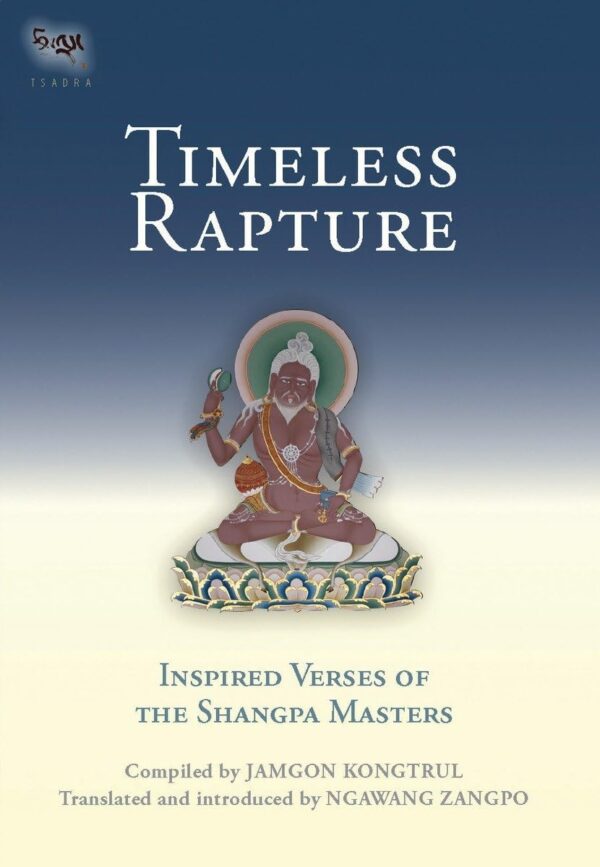
Timeless Rapture: Inspired verses of the Shangpa Masters

The wisdom dakini known as Niguma, illustrious Narotapa’s sister, was a self-manifest yogini, a powerful lord bodhisattva on awakening’s tenth stage, who received direct instruction from Conqueror Vajradhara.

She sang these vajra verses of self-liberating Mahamudra (Great Seal):

Nature of mind,
Wish-fulfilling jewel, to you I bow.
Wishing to attain perfect enlightenment,
Visualize your body clearly as the deity
To purify ordinary thoughts.
Develop a noble intention to help others
And pure devotion to your spiritual master.
Don’t dwell on your spiritual master or the deity.
Don’t bring anything to mind,
Be it real or imagined.
Rest uncontrived in the innate state.
Your own mind, uncontrived, is the body of ultimate enlightenment.
To remain undistracted within this is meditation’s essential point.

Continue reading »

Adeu Rinpoche: Dzogchen and Mahamudra, Two Great Paths

Trulshik Adeu Rinpoche

Adeu Rinpoche: Dzogchen and Mahamudra, Two Great Paths

Dzogchen and Mahamudra, the Great Perfection and the Great Seal, are powerful meditative systems for revealing the nature of mind, explains Adeu Rinpoche. While their methods may differ, their essence is the same.

The meditation approach of Mahamudra as found in the Tibetan Kagyu tradition and the Dzogchen approach from the Nyingma tradition are identical in essence, you may follow one or the other, however, each has its own unique instructions. In each system, Mahamudra and Dzogchen, various methods are used to reveal the nature of bare awareness itself.

When embarking on meditation practice in the Mahamudra tradition, a meditator is taught three aspects: stillness, occurrence, and noticing. Cultivating stillness means training in cutting off involvement in memories of the past or entertaining thoughts about what might happen in the the future; you refrain from constructing plans about the next moment. In the present, you simply and completely let go. You drop everything and settle into now. In the Mahamudra tradition, stillness refers to not churning out new thoughts or following thoughts about the past, present, or future.

At first, you will notice that totally settling, without any involvement in thought, does not last that long. Due to the karmic force of one’s internal energy currents, new thoughts are continually being formed—thoughts grasping at subject and object, at pleasant and unpleasant. The activation of such patterns is known as occurrence. Continue reading »

Chogyal Namkhai Norbu: Tsal, Rolpa, And Dang

Chogyal Namkhai Norbu: If we see a five coloured rainbow, this means that we perceive the pure dimension, pure vision.

Chogyal Namkhai Norbu: Tsal, Rolpa, And Dang

The energy of the Base manifests as Tsal, Rolpa, and Dang.
Why does this energy have these three aspects?
In relation to realisation there are the three Kayas, the Dharmakaya, Sambhogakaya, and Nirmanakaya.
The three kayas are related to the three aspects of our condition:
Essence,
Nature,
Energy.
The Essence is emptiness, and knowledge of that is the Dharmakaya of the Base.
Dharmakaya, Sambhogakaya, and Nirmanakaya are not only qualities of the Buddha ; they are also the potentiality of every individual.
How can one discover and understand this for ourselves?
We observe ourselves. When you discover your Essence, it means you discover the Dharmakaya of your Base.
When you discover your Nature, your clarity, then you discover the Sambhogakaya of your Base.
When you discover the uninterrupted continuity of your Energy, you discover the Nirmanakaya of your Base.
We have these attributes.
Energy manifests in three different ways as Dharmakaya, Sambhogakaya, and Nirmanakaya.
The Dharmakaya aspect is called the Dang energy.
Continue reading »

Chogyal Namkhai Norbu: The Real Meaning of Integration

Namkhai Norbu: If you understand integration in that way then it has sense and there is also something for you to do with the real meaning of this word; and you can understand that integration is the state of contemplation.

Chogyal Namkhai Norbu: The Real Meaning of Integration

“In the Dzogchen teaching, if you are in any kind of place and at that moment, you are in a state of rigpa, then that is your place, your sacred or holy place. In general people want to go to a holy place such as a temple to do practice. But when you are in instant presence, then wherever you are becomes a holy place, your temple.

We use the term “integration” widely in the Dzogchen teaching, but its real meaning is that first of all a Dzogchen practitioner should be in the state of Dzogchen which means his real condition. To be in the real condition you must discover it, and then you have knowledge of it. If you have experience or knowledge of the state which, in the Dzogchen teaching, we call the state of rigpa or the state of contemplation, then you have a possibility to integrate your contemplation into the circumstances of your normal condition or your normal condition integrates in the state of contemplation.

Of course, when we reason with our intellect, integrating all our circumstances of normal life in a state of contemplation or integrating our capacity of contemplation in the relative condition, these seem to be two different aspects. But when you are in your real nature or condition there is no difference between them. Continue reading »