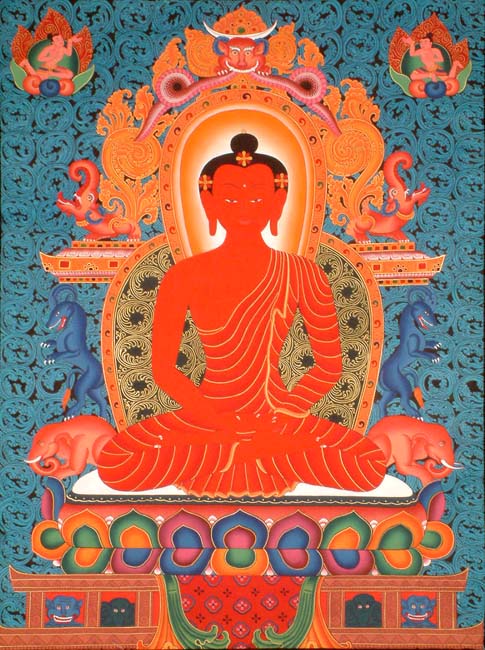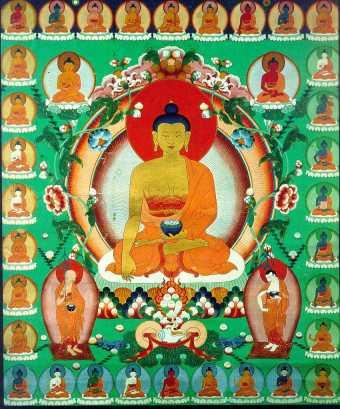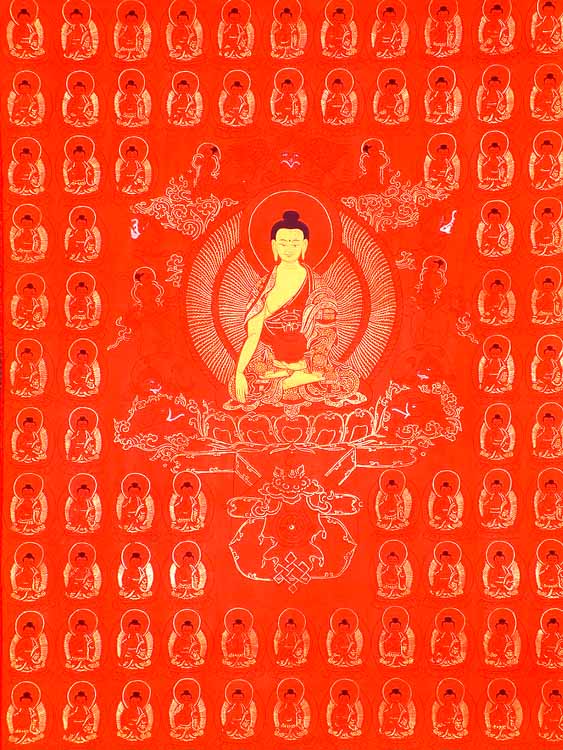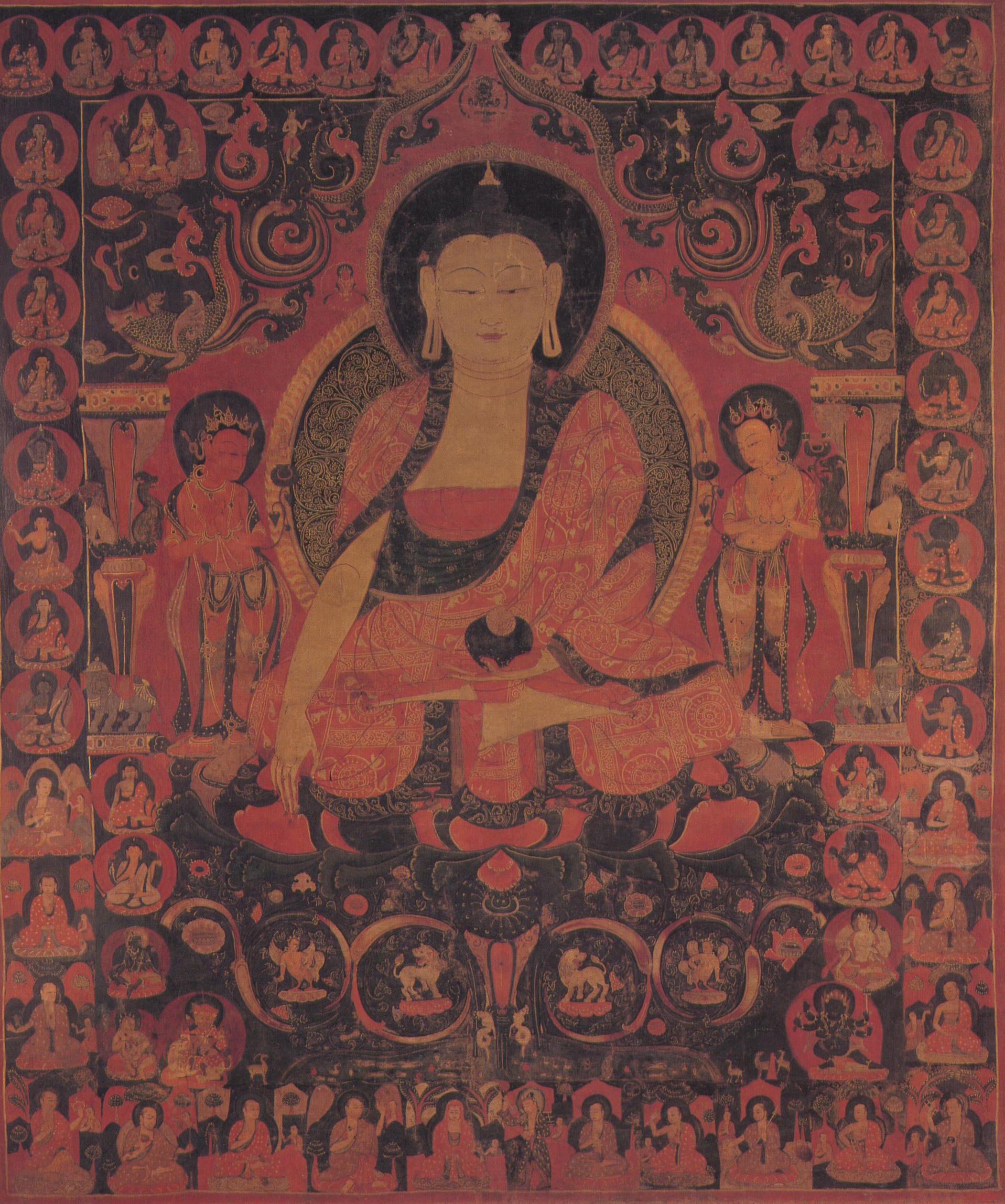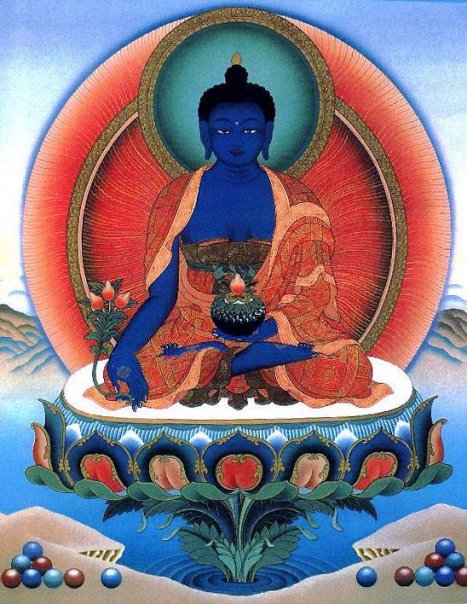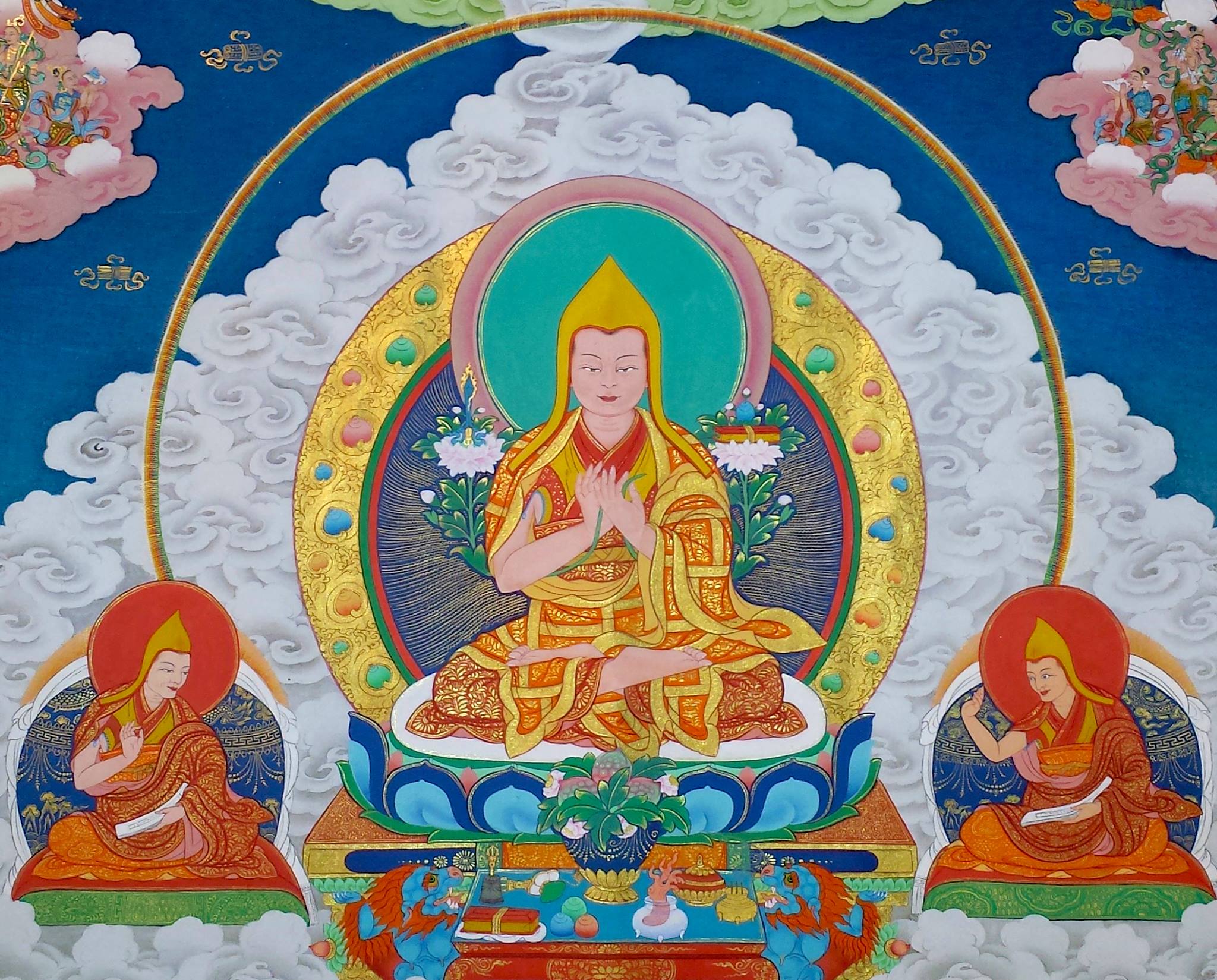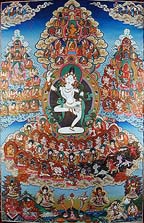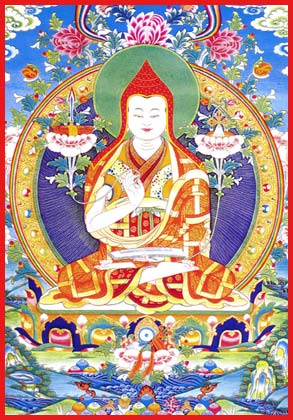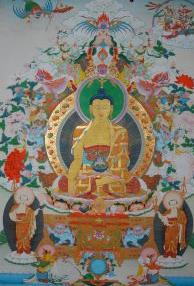
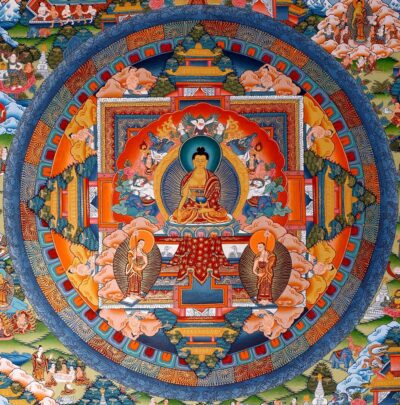
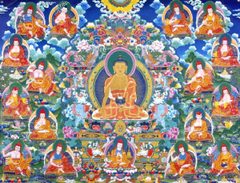
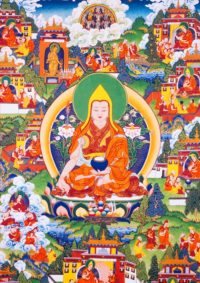
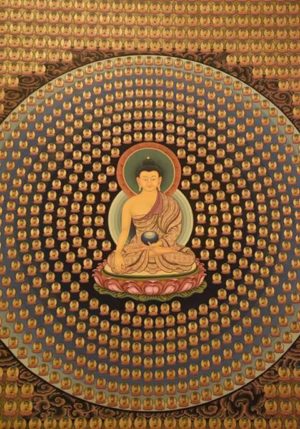
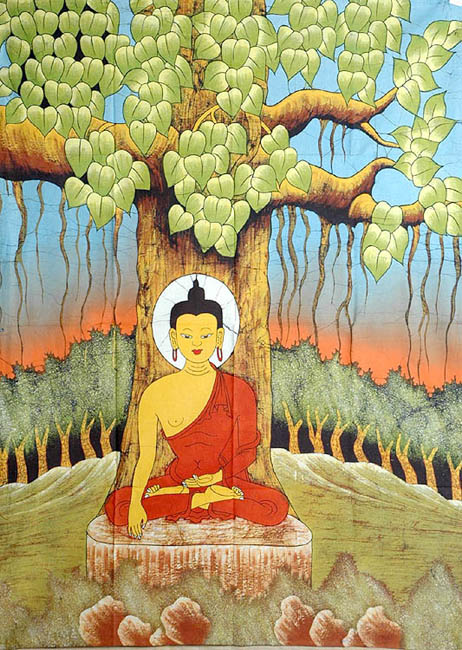
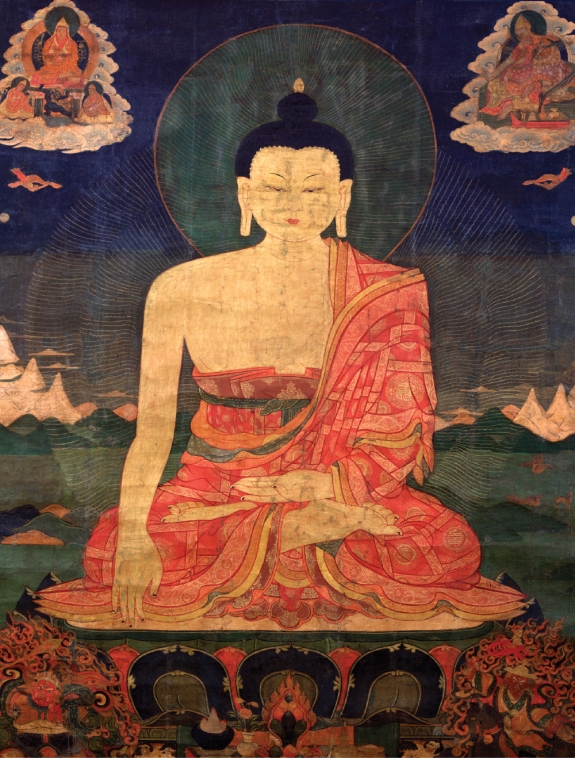
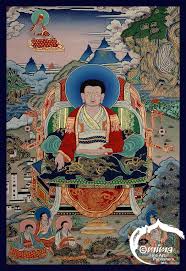
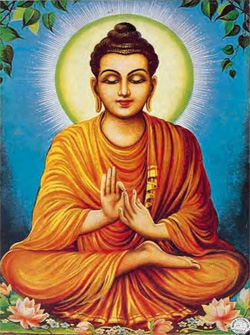
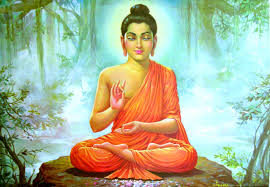
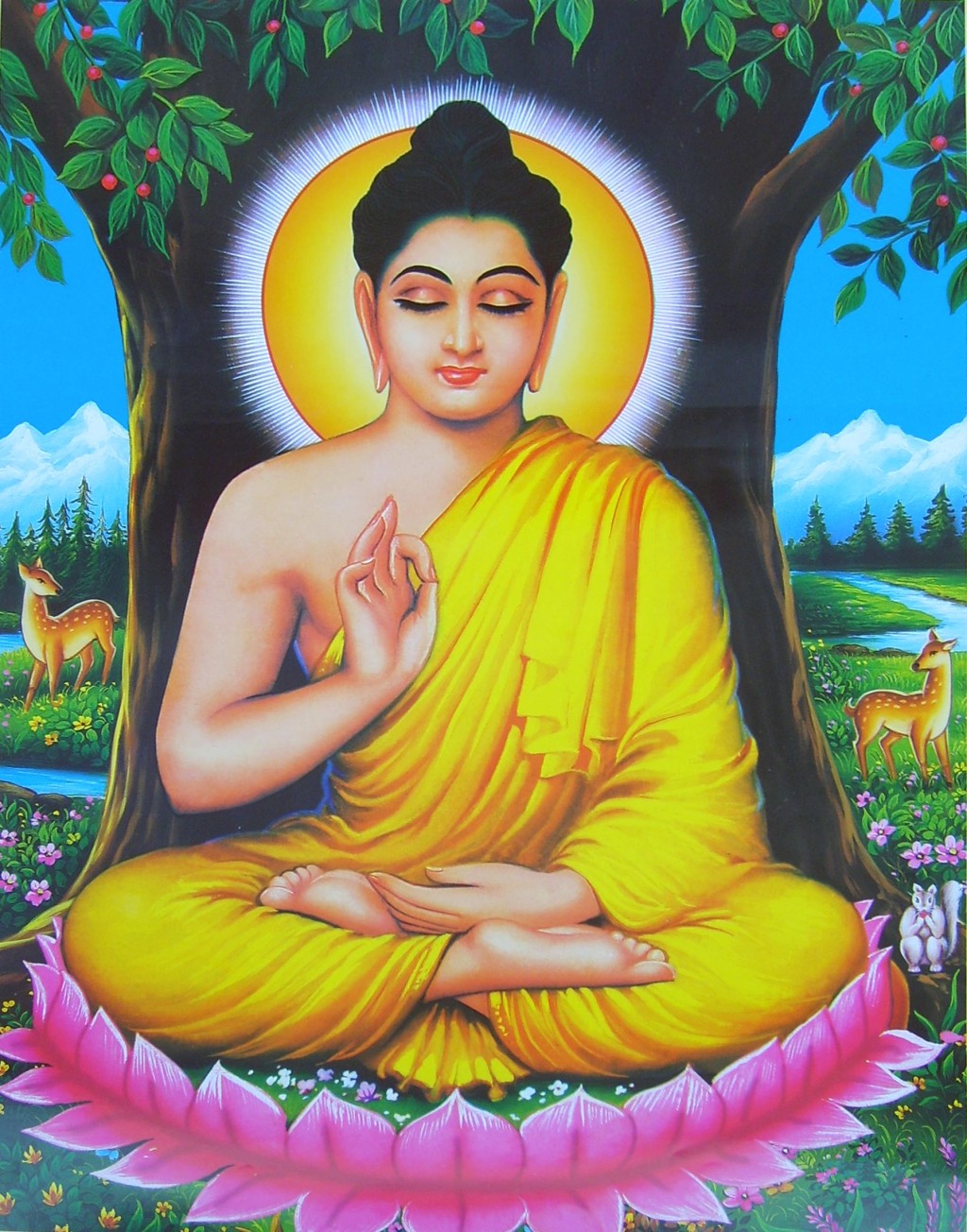
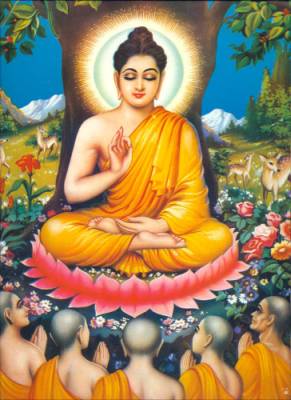
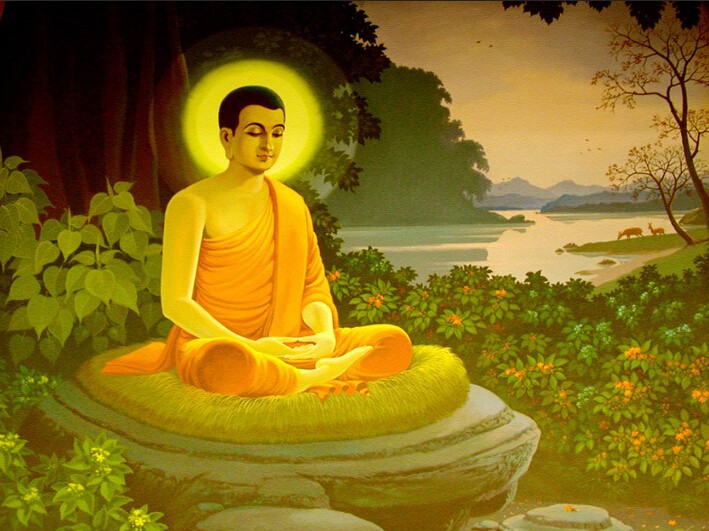
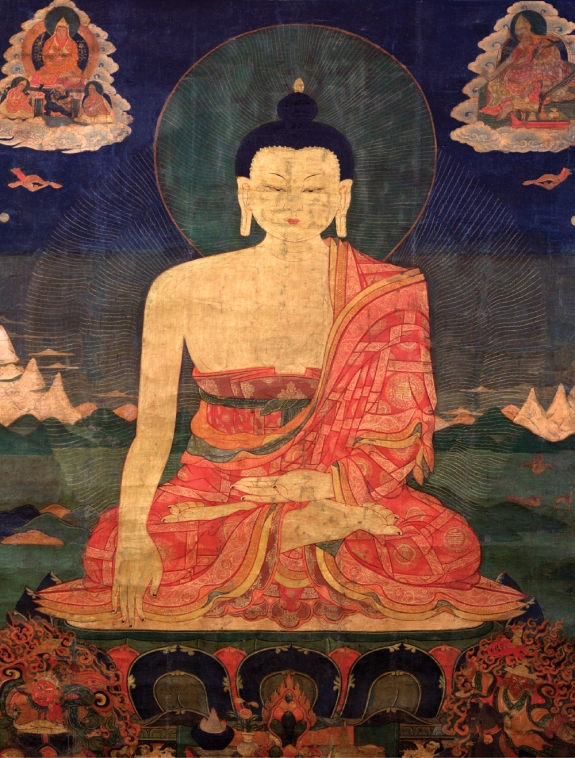
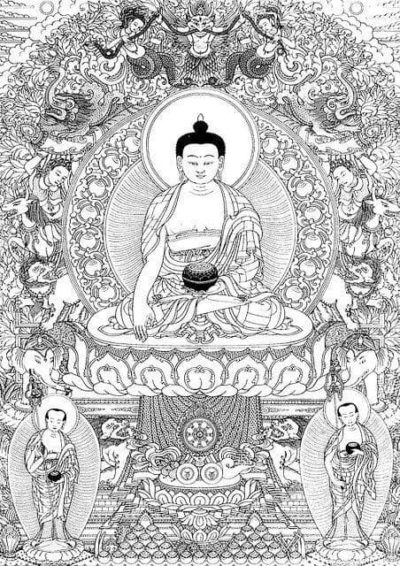
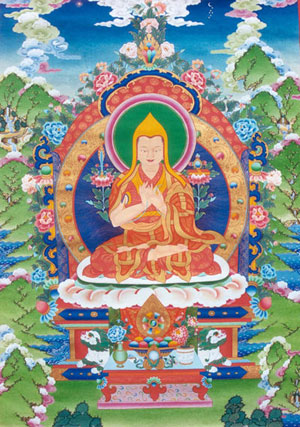
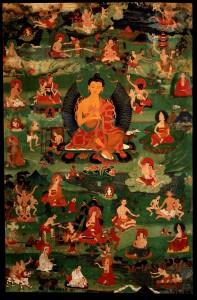
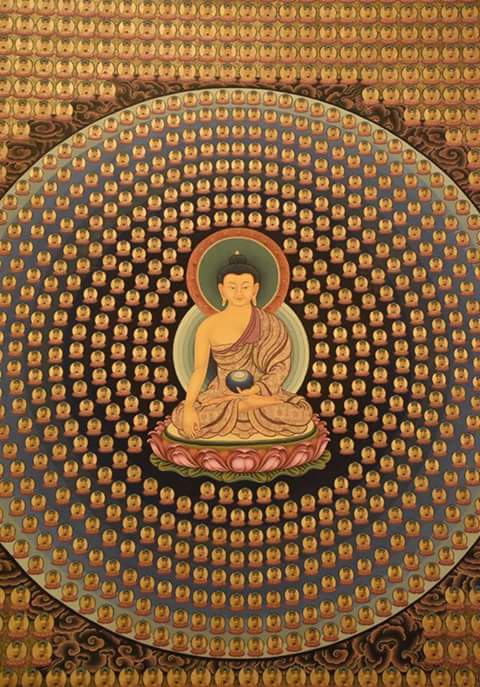
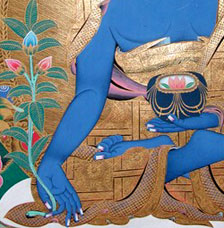
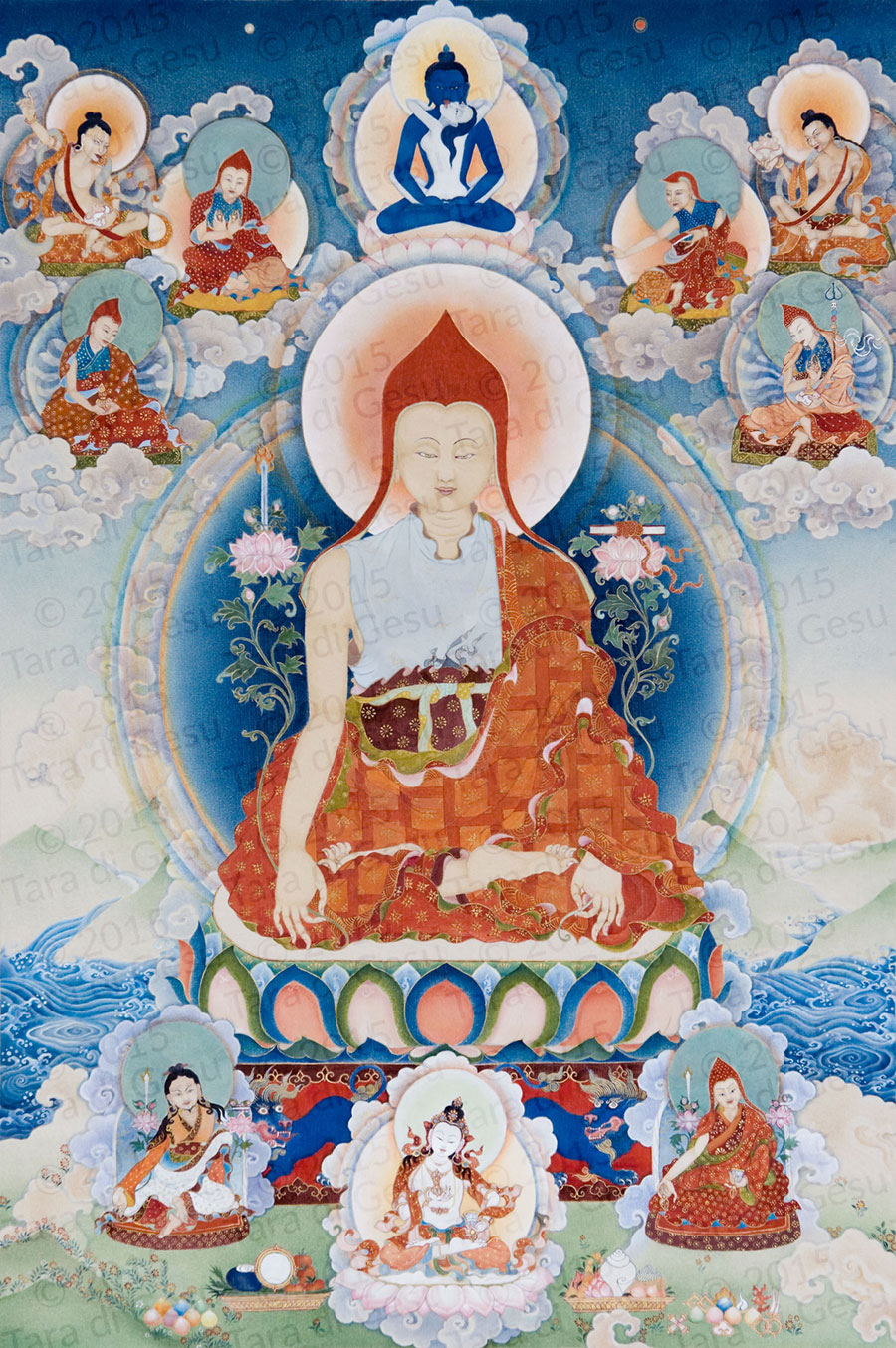
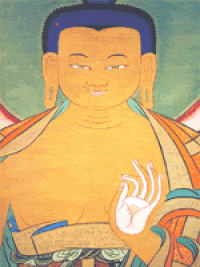
Holy thanka on Buddha Sakyamuni by the master Sonam Tanzin, Manali
Saraha thanka painting & meditation association training centre. Aleo, New Manali, Distt. Kullu (H.P.) see https://www.sangye.it/cpg1418/thumbnails.php?album=22
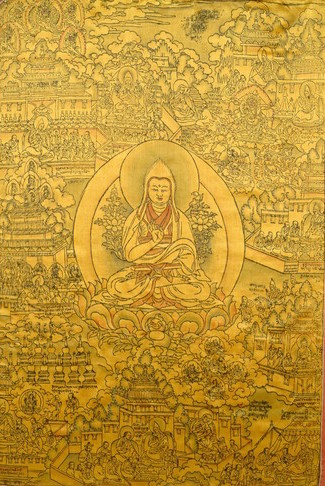
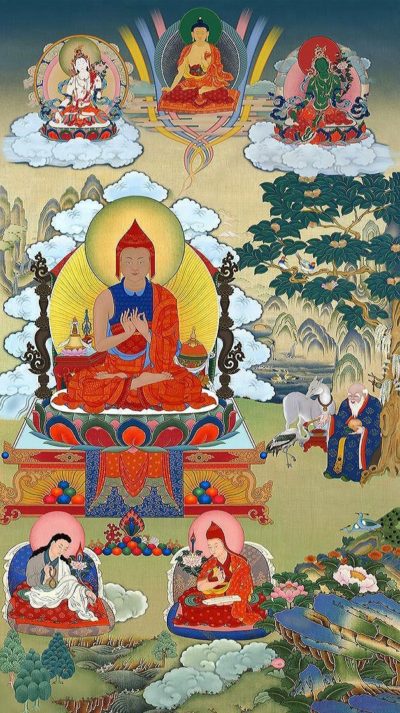
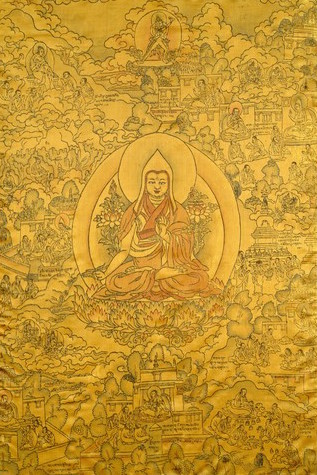
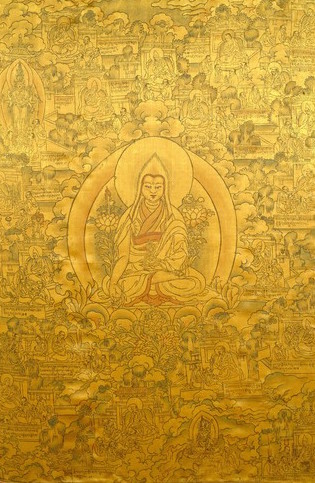
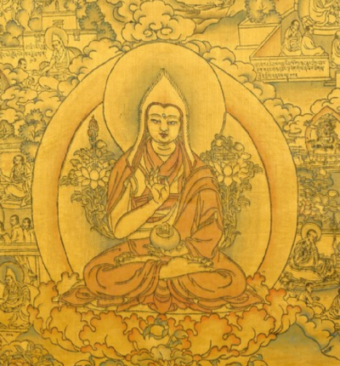
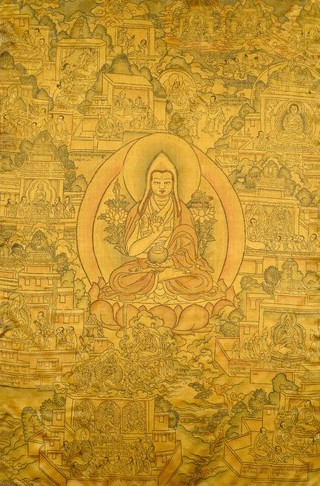
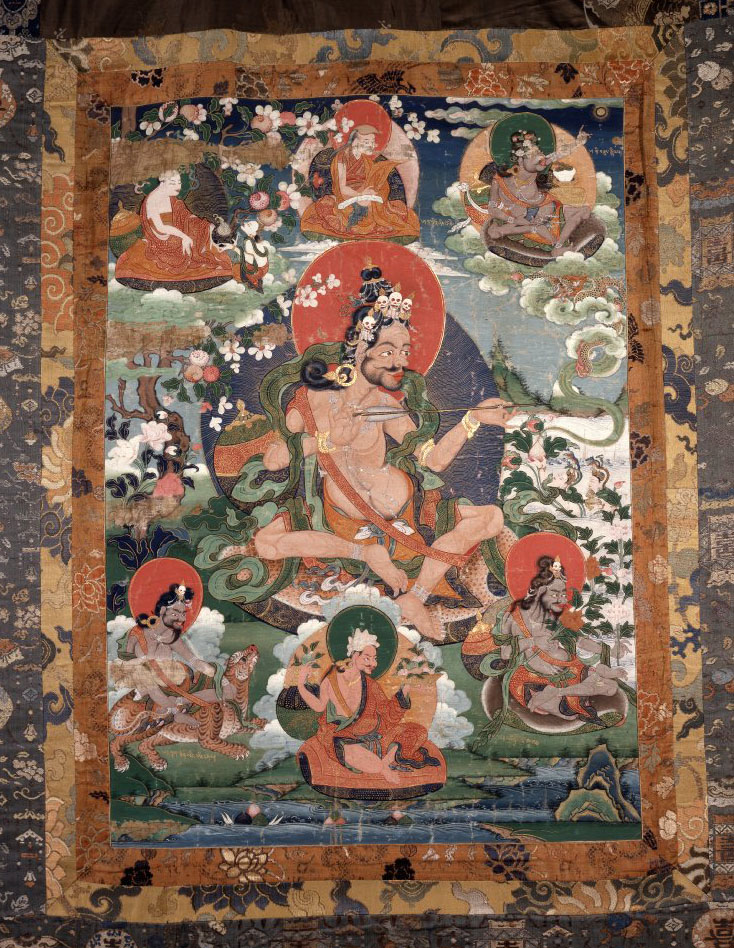
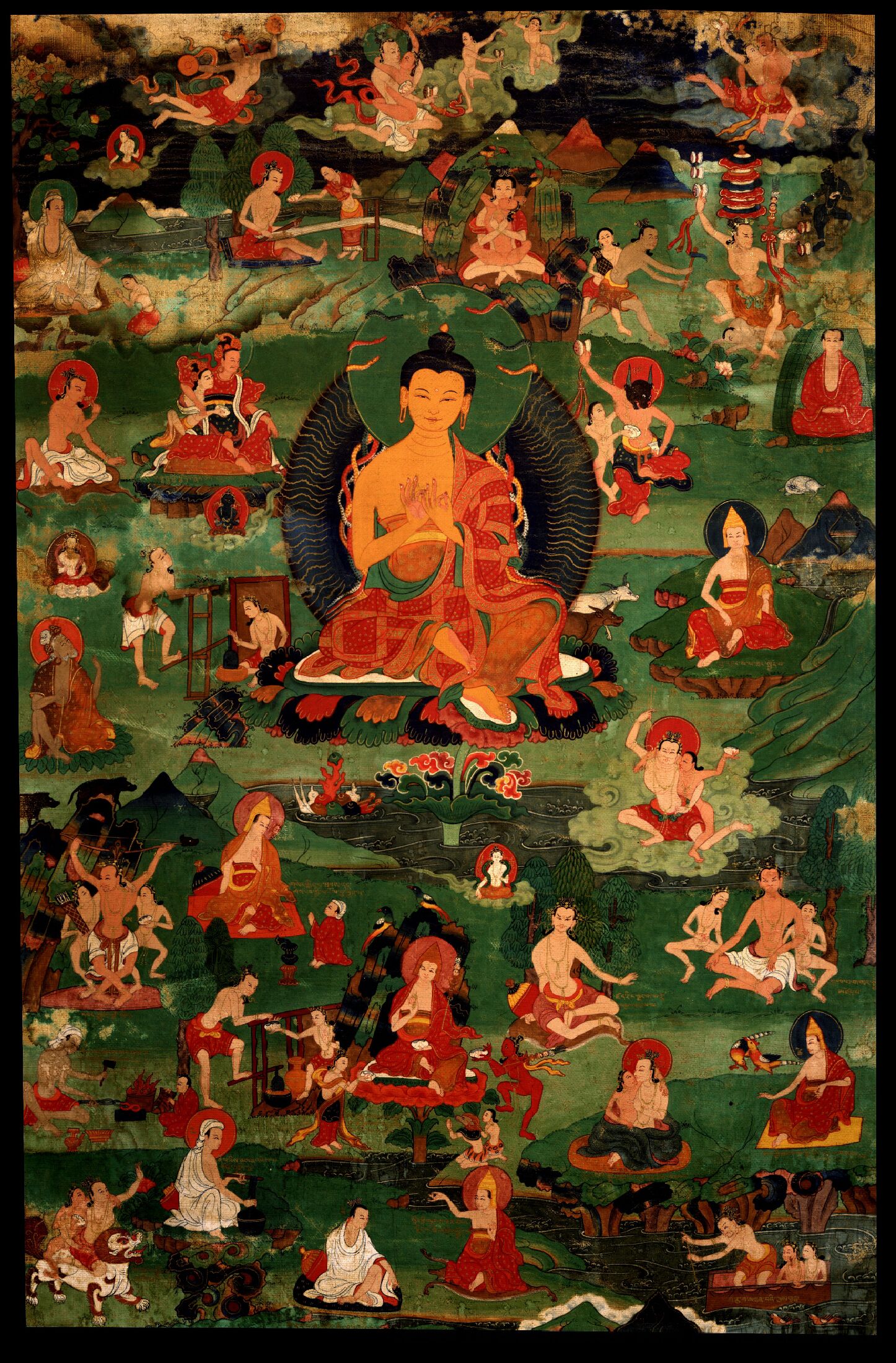
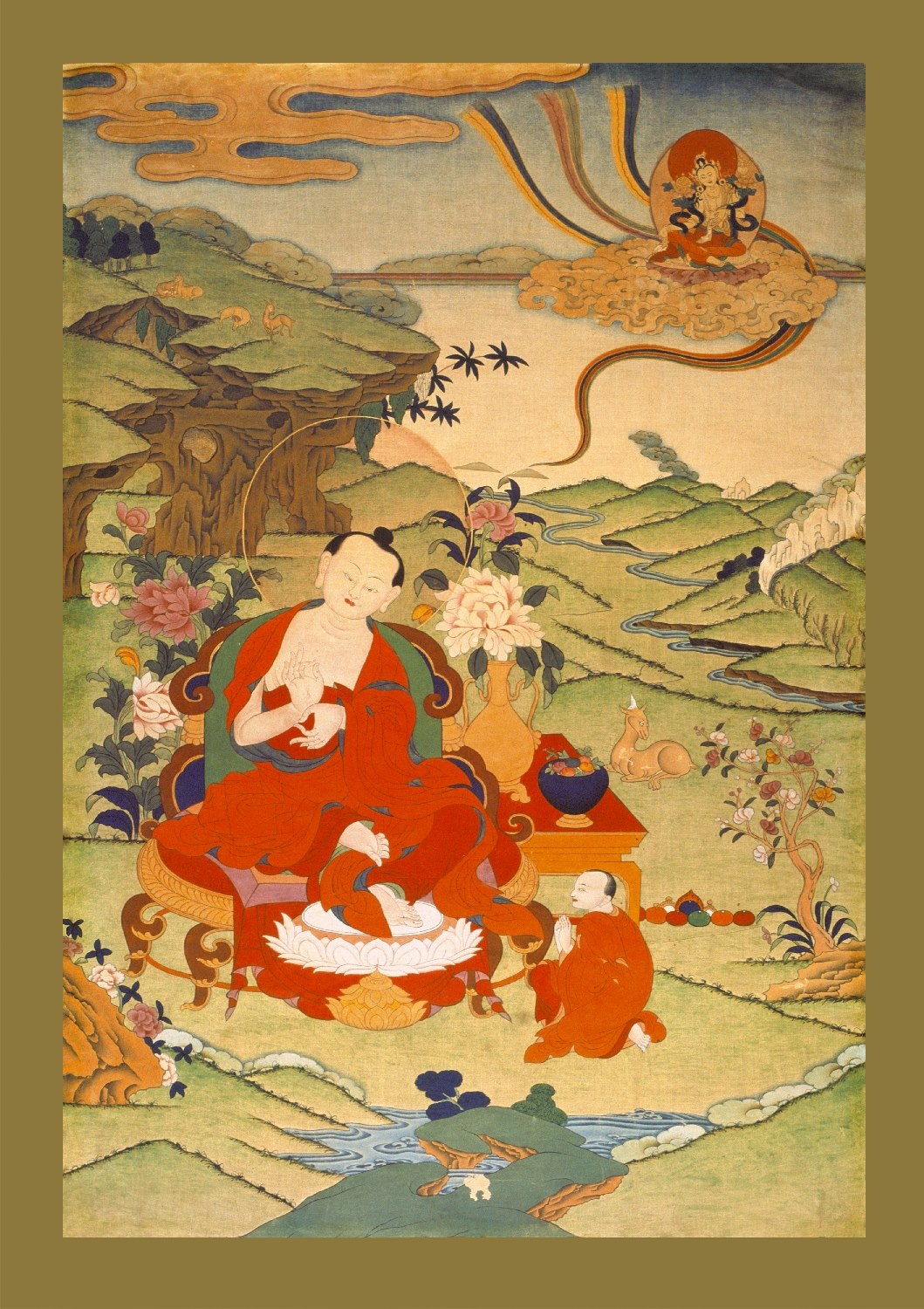
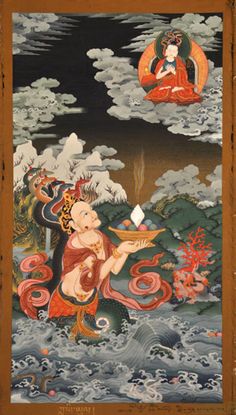
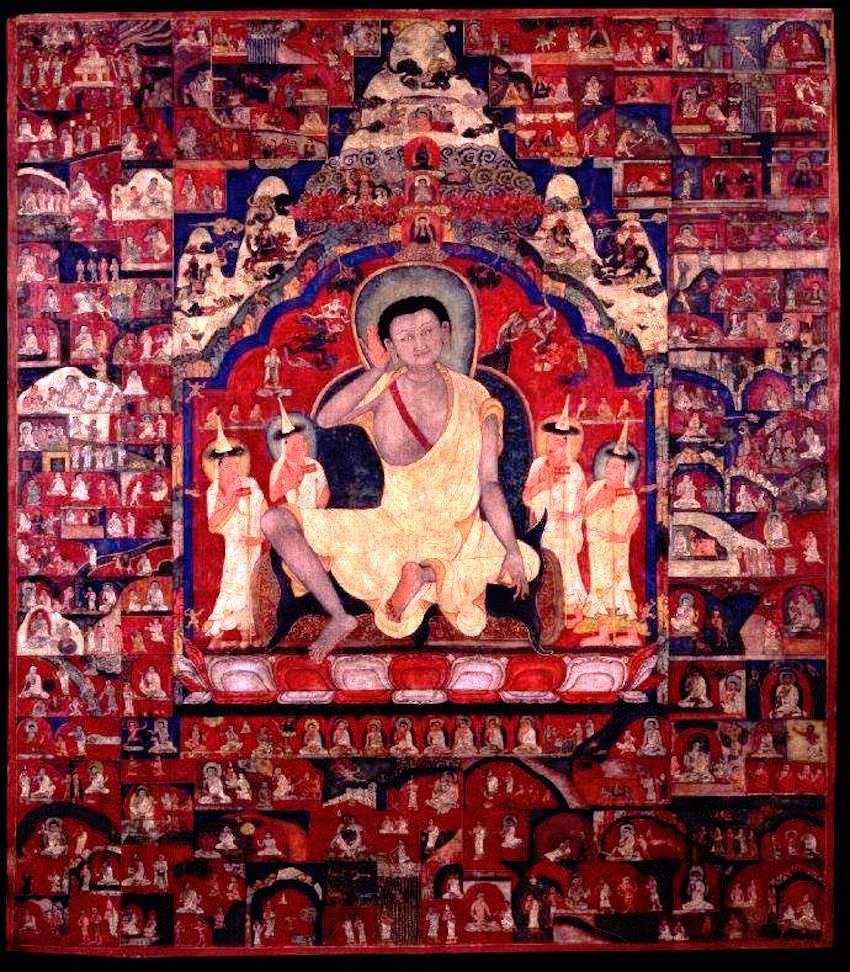
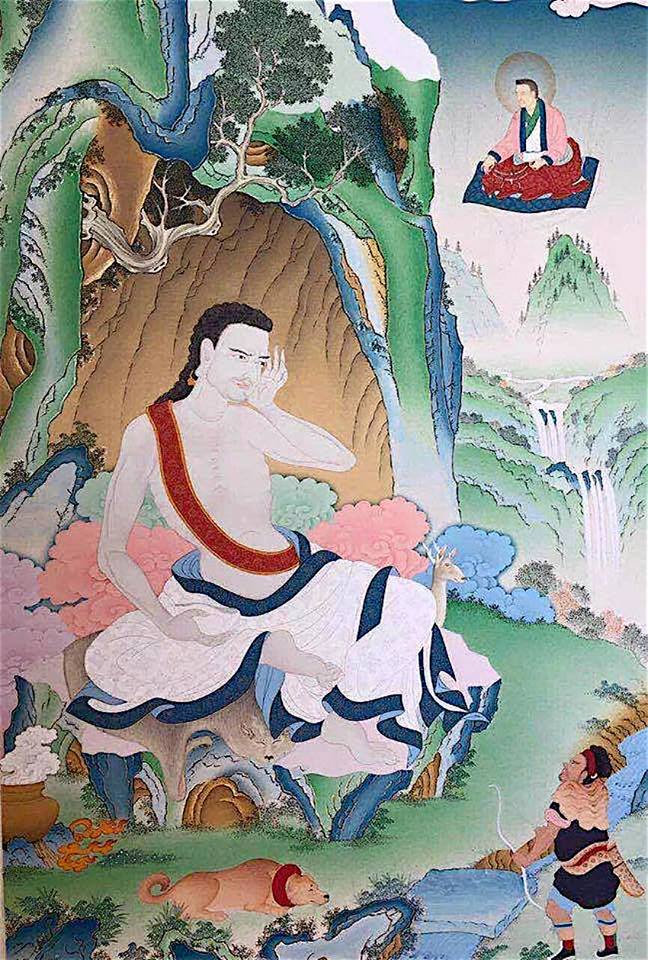
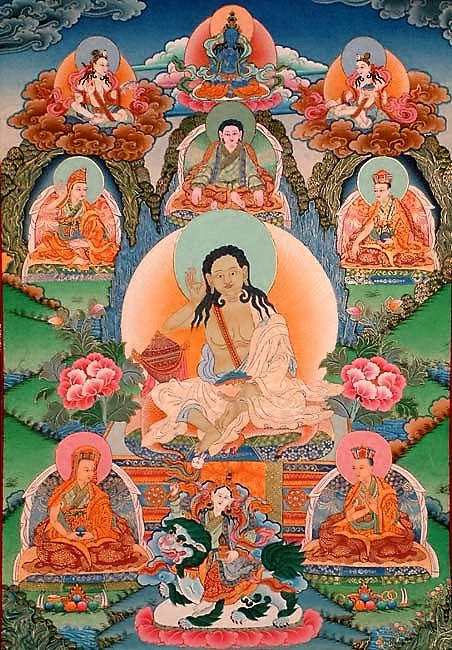
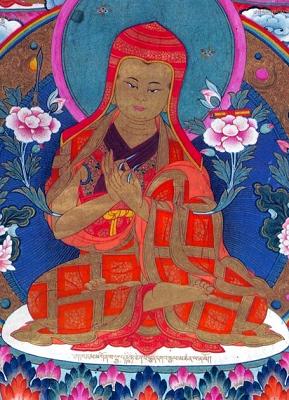
This is a special type of Buddhist art which is based on religion. The Monasteries of Lahaul and Spiti, Pangi valley. Kinnaur and other areas of Himachal Pradesh have an amazing collection of religious manuscript, scriptures and paintings known as ” Thankas”.
“Thankas” is the name given to the paintings on cloth and are believed to ward off the “evil eye” maleficent influences and prevent diseases and mental depression.
The “Thankas” were brought to these districts by Buddhist missionaries from the Indian plains, Tibet and other neighbouring countries. Although these are now hung in the temples, their names indicates that they were rolled and carried by travellers to provide protection from the evil spirits or
were used by minstrels to illustrate the episode they were describing. These paintings are regular feature of any monastery and are found in abundance in the monasteries of Himachal Pradesh.
THE THEMES AND INSPIRATIONS
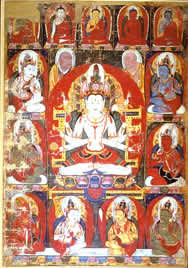
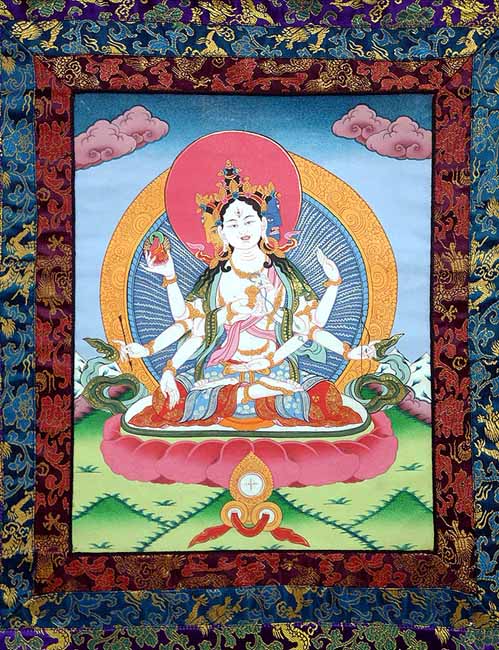
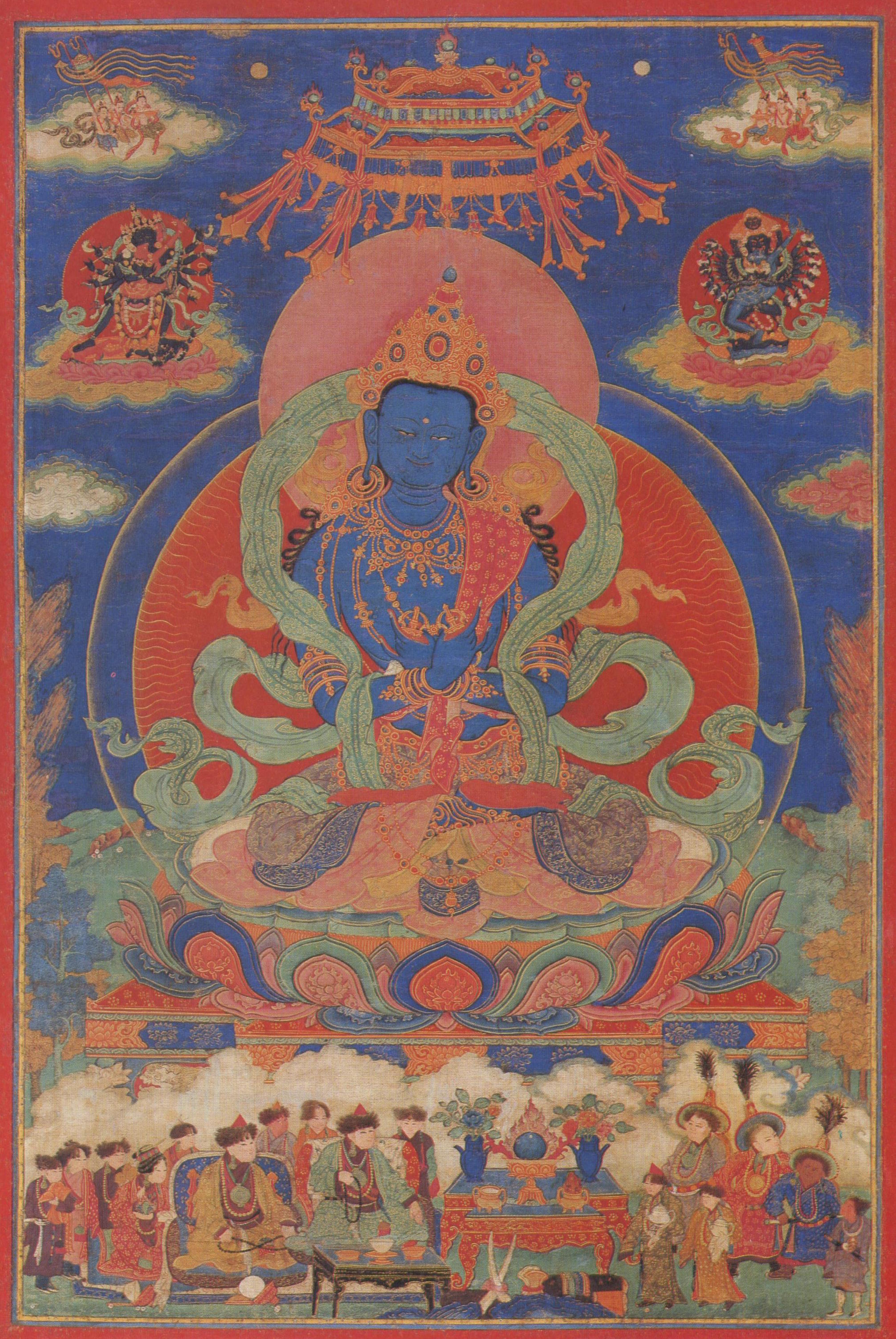
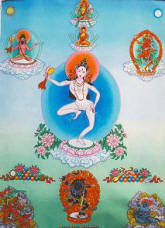
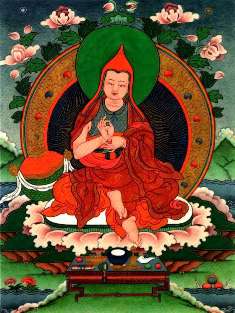
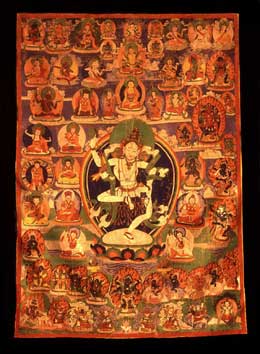
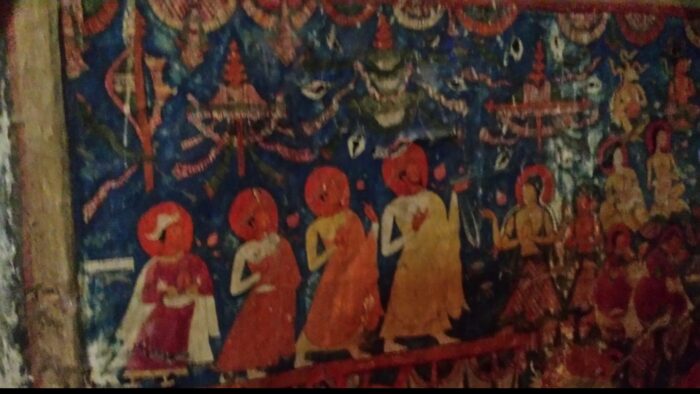
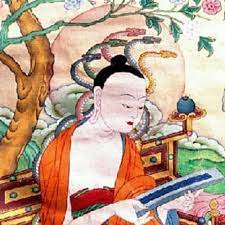
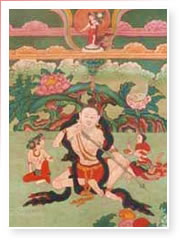
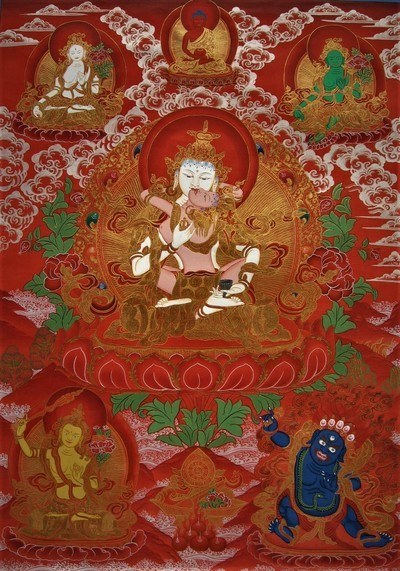
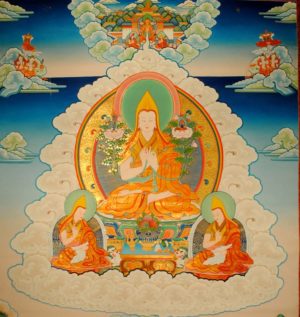
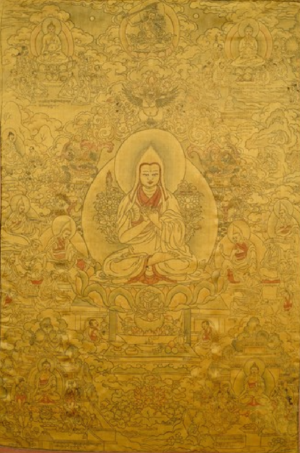
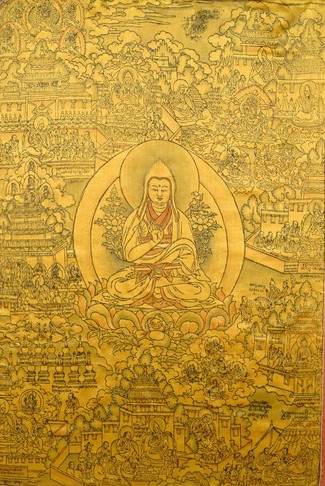
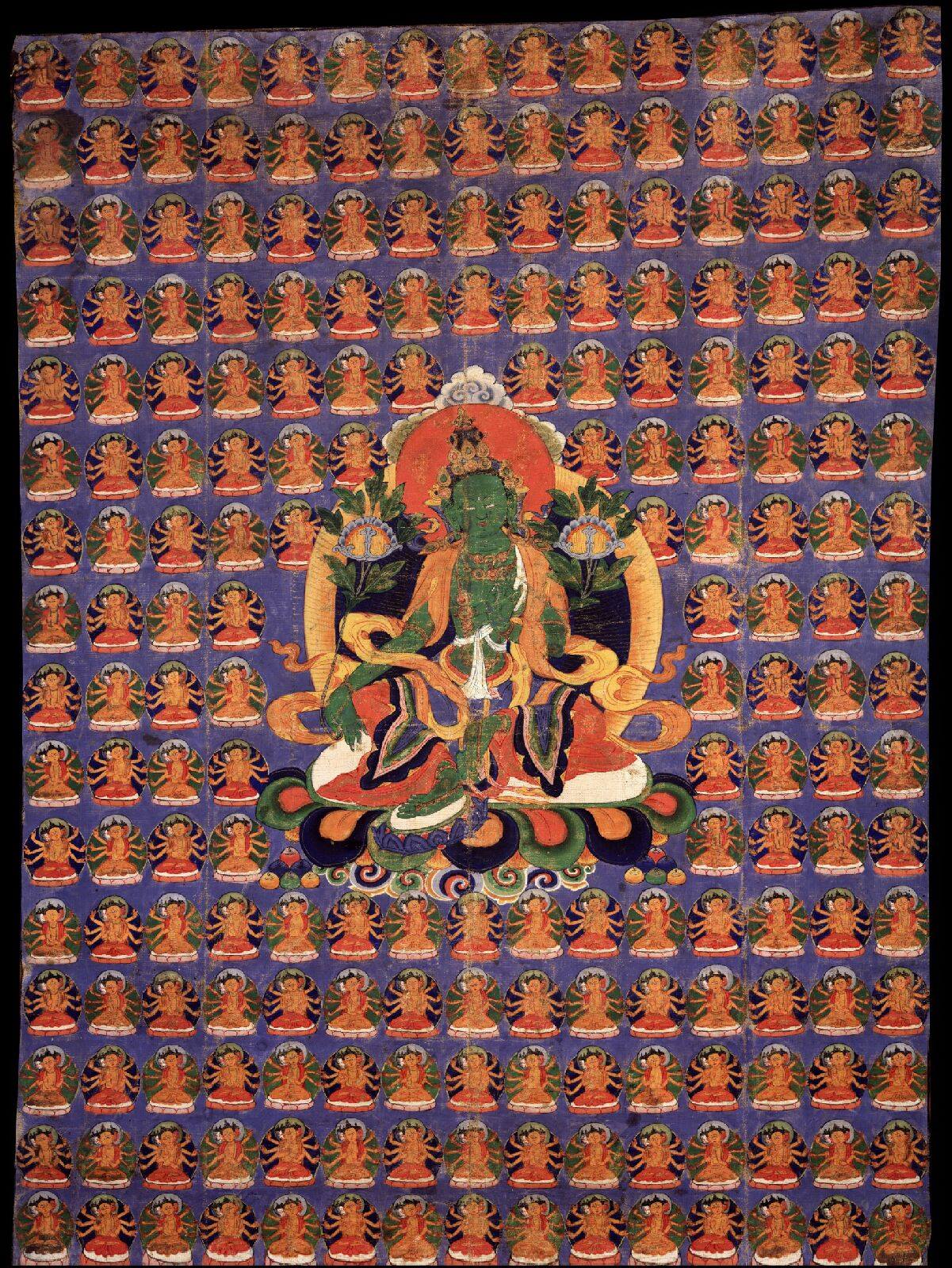
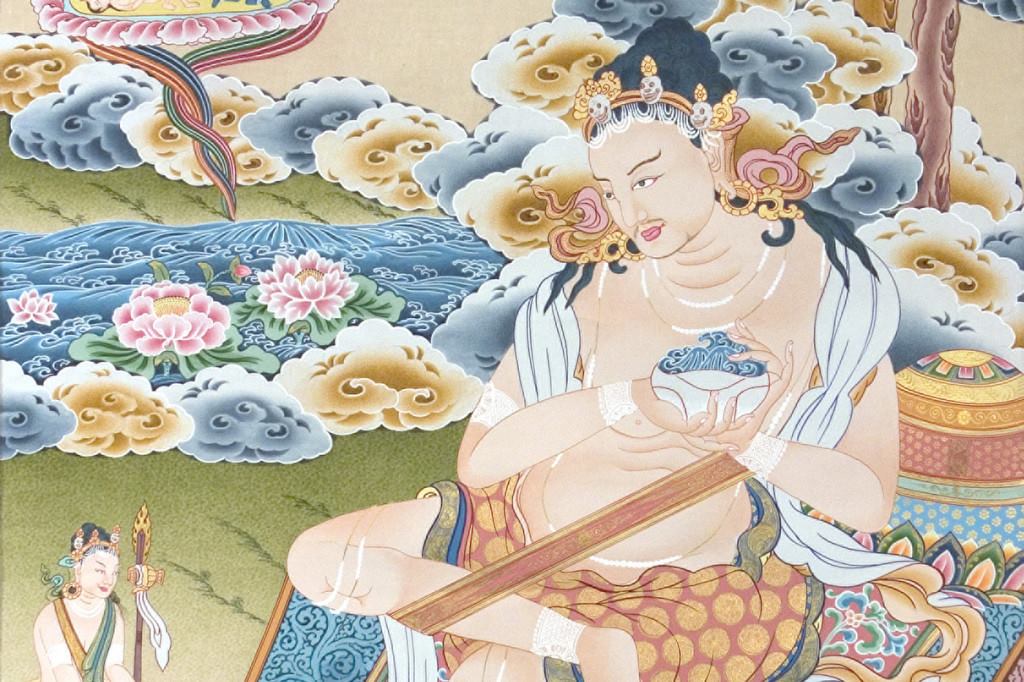
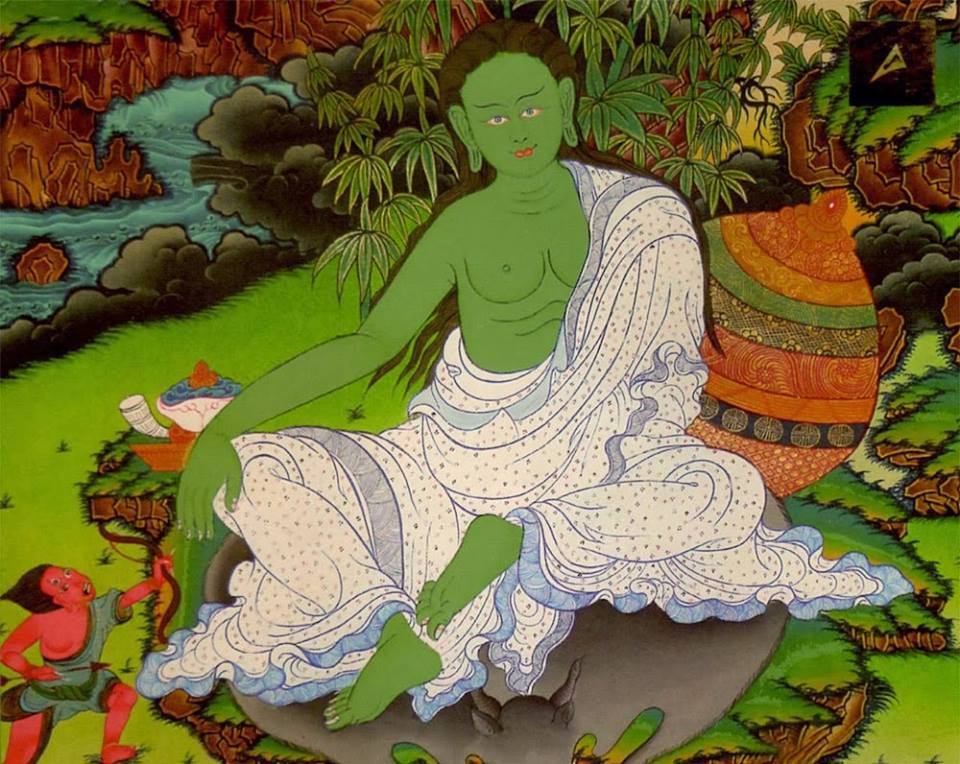
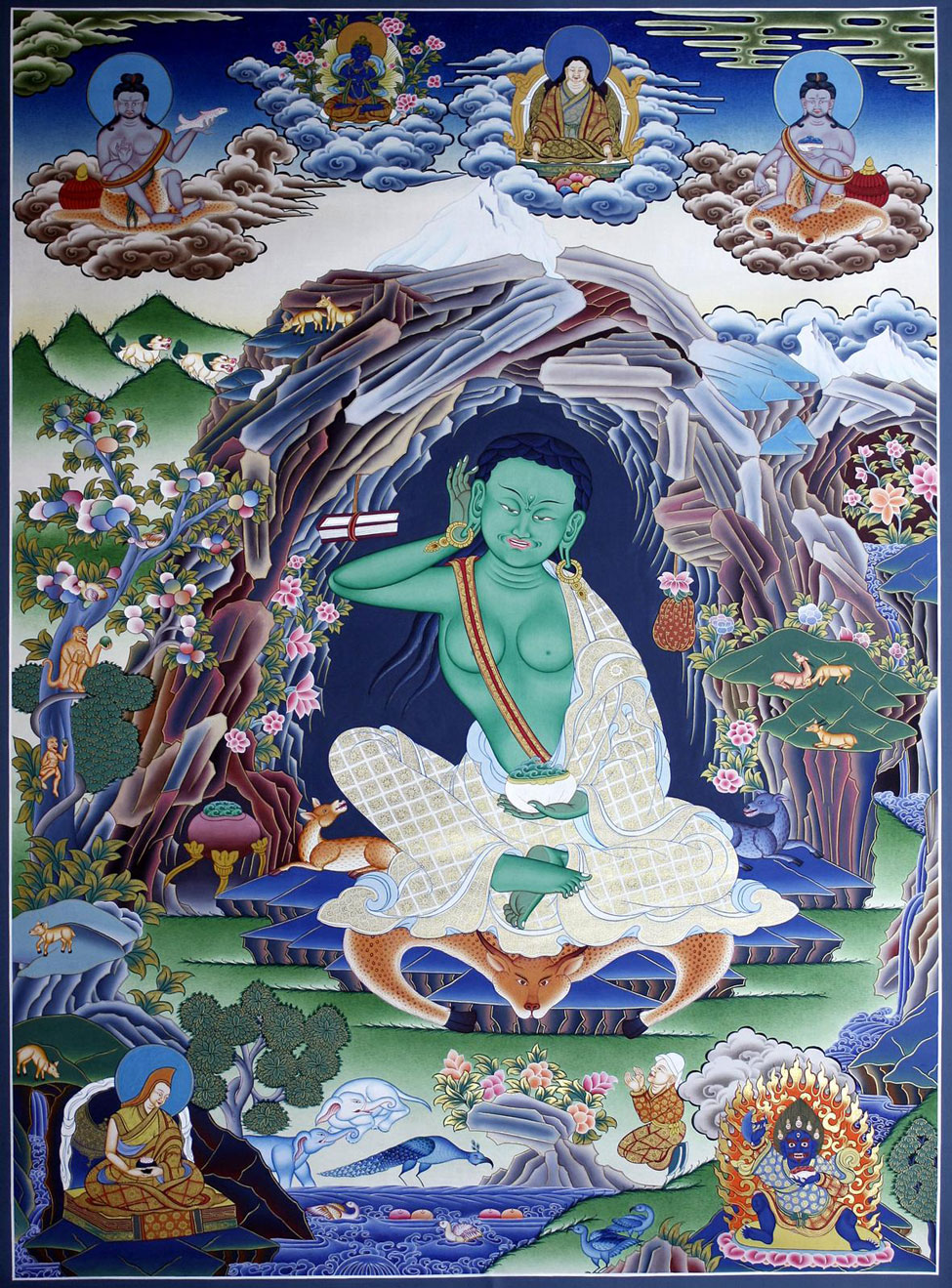
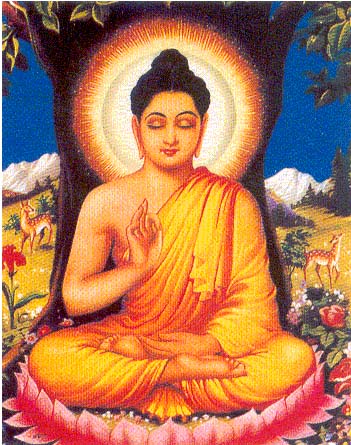
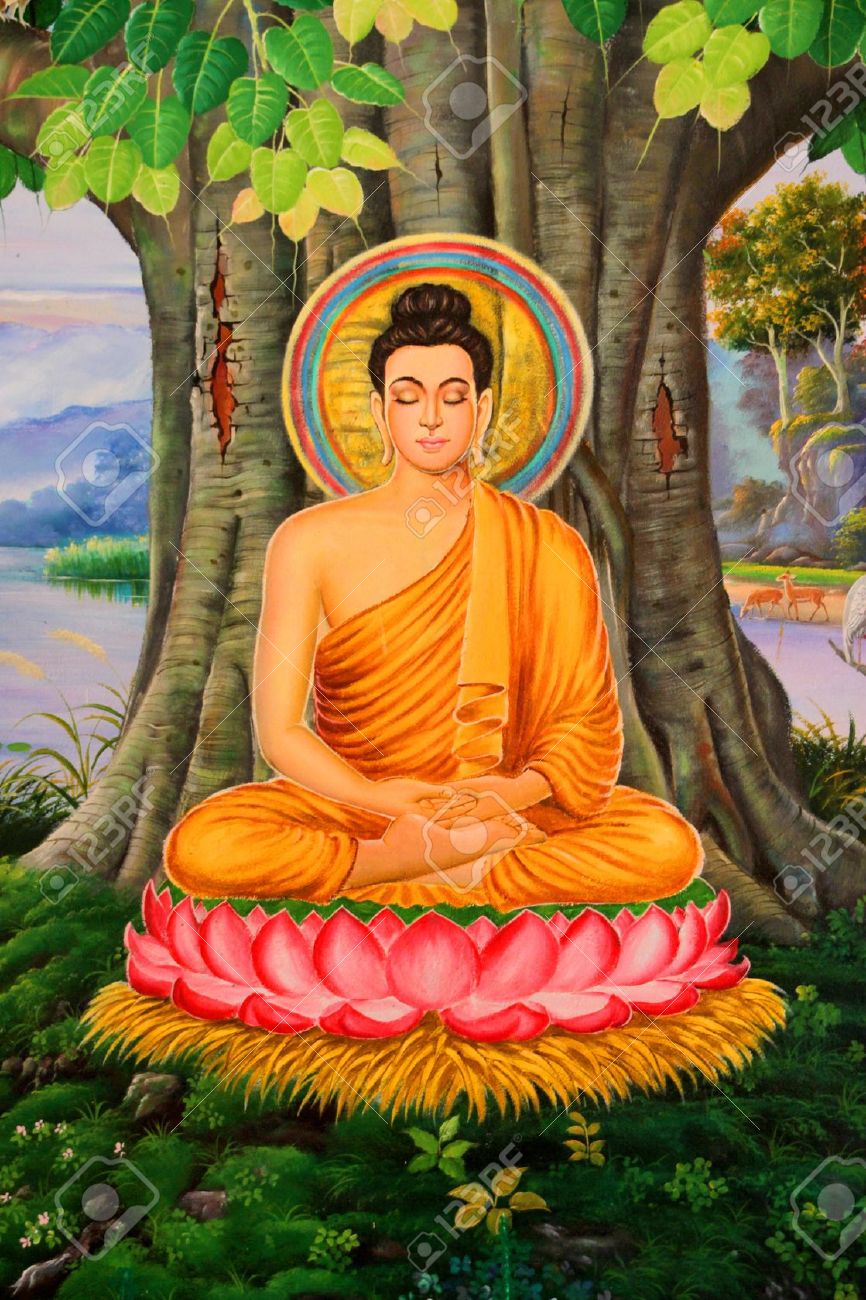
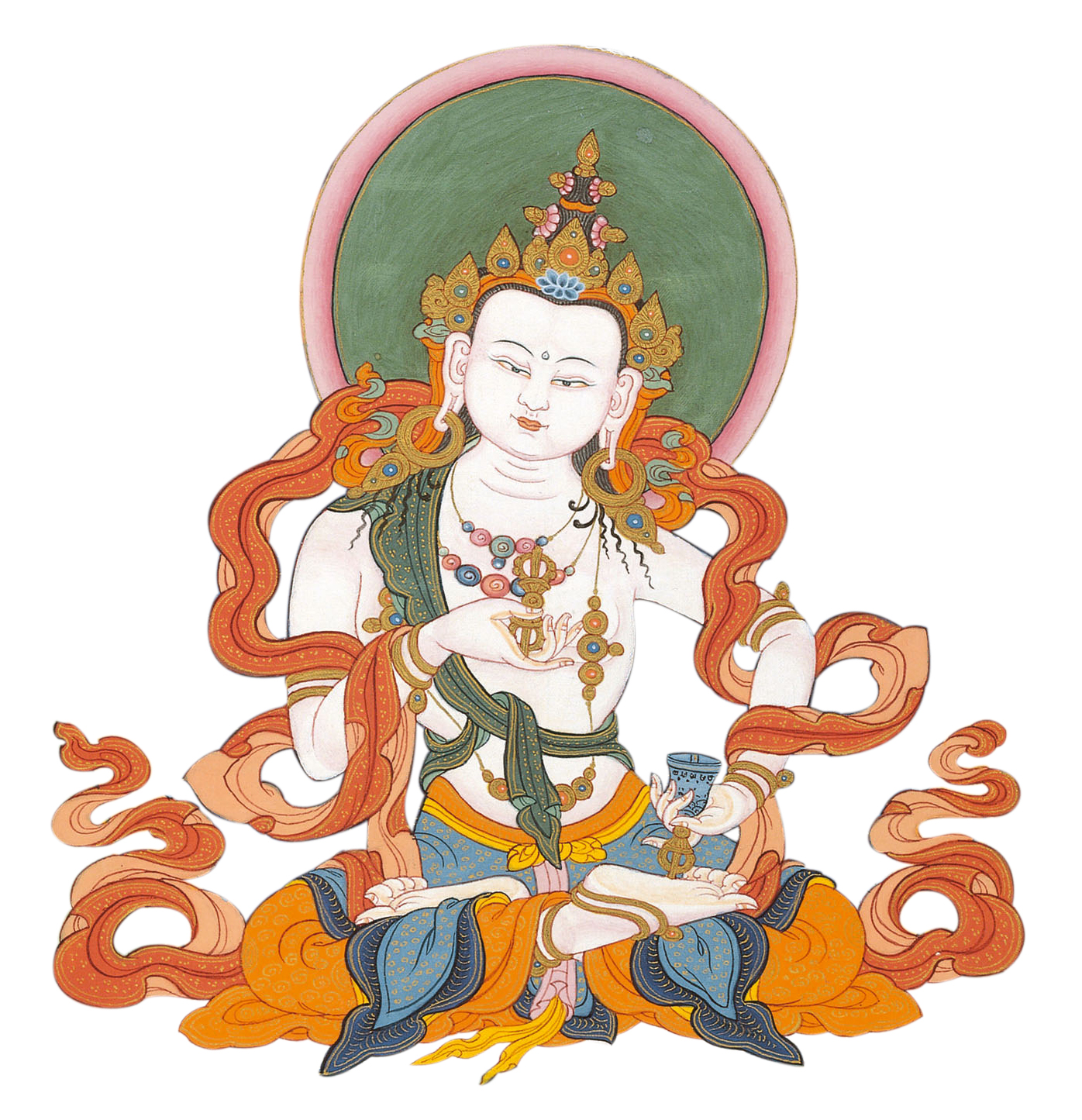
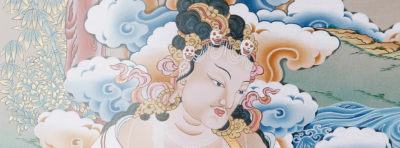
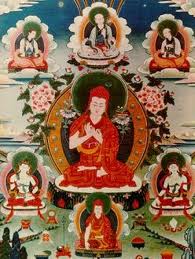
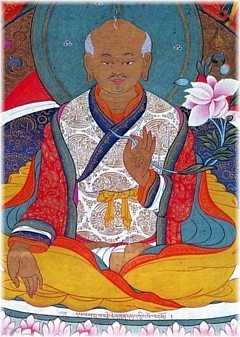
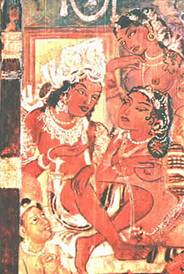
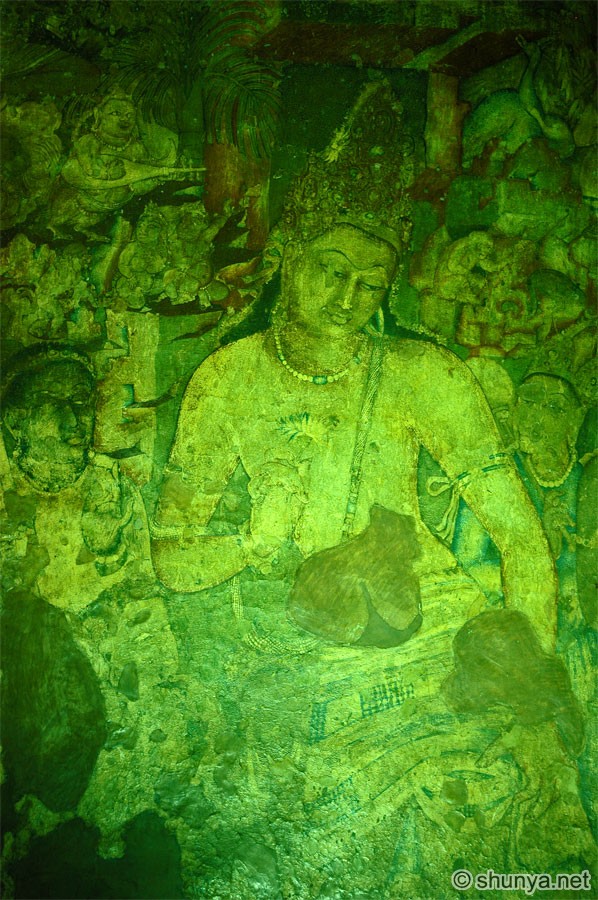
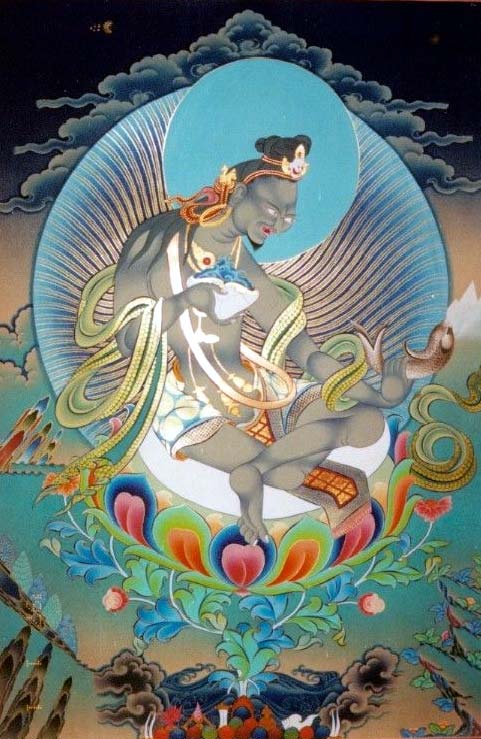
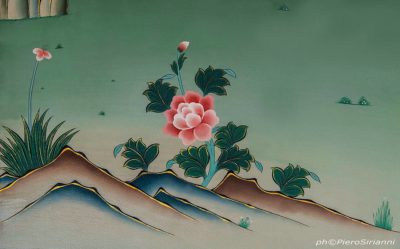
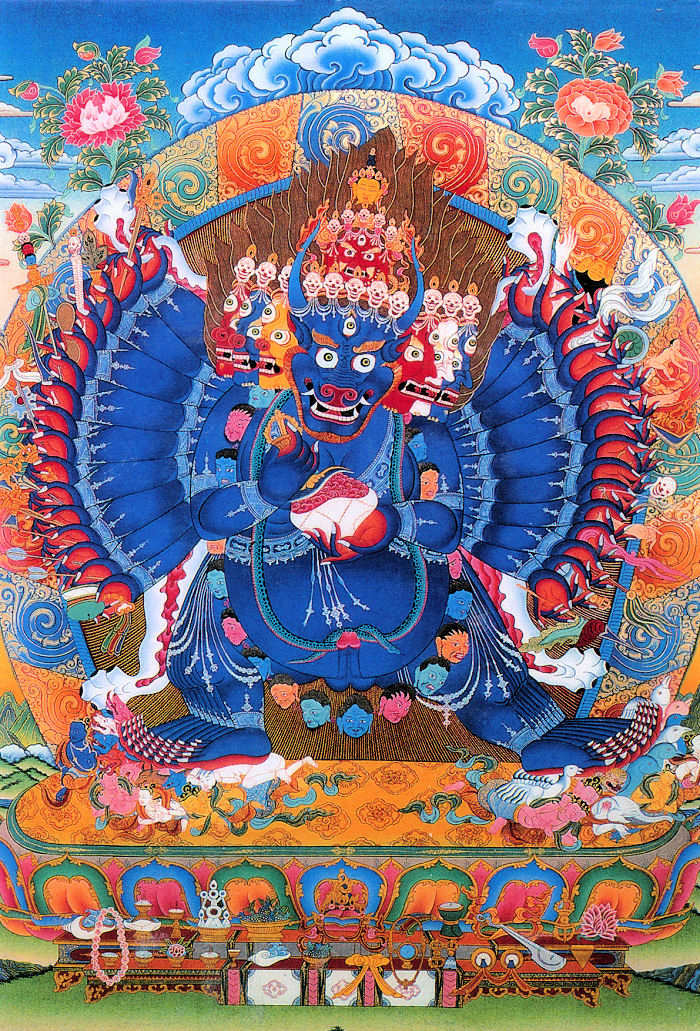
Thankas https://www.sangye.it/cpg1418/displayimage.php?album=22&pos=0 are traditionally scroll paintings drawn on cloth with wonderful compositions of geometrical arrangements known as “Mandalas” and are steeped in oriental tradition. “Mandalas” are cosmic symbols whose strict geometrical structures display the order of cosmos. These Buddhist religious “Thankas” generally depict “Jataka” tales https://www.sangye.it/cpg1418/displayimage.php?album=22&pos=1 which recount the past lives of Lord Buddha https://www.sangye.it/cpg1418/displayimage.php?album=22&pos=2 . The Jataka Tales is of 100 stories and all the 100 stories depict the life of Lord Buddha https://www.sangye.it/cpg1418/displayimage.php?album=22&pos=3. In these paintings Buddha, “Bodhisattvas” and other divinities and portrayed with the impressive retinues or acolytes https://www.sangye.it/cpg1418/displayimage.php?album=22&pos=4 .
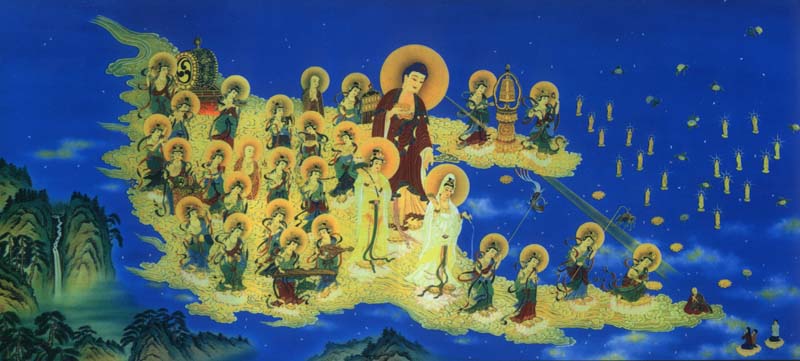
In other representations these deities dominate the compositions and are shown as choir in their own paradise https://www.sangye.it/cpg1418/displayimage.php?album=22&pos=4. The essential schemes of these paradise also defined by the literature dedicated to them https://www.sangye.it/cpg1418/displayimage.php?album=22&pos=5 .
For doing these paintings craftsmen were trained as apprentices in monasteries were they worked mainly by copying well known images of the scenes and the deities https://www.sangye.it/cpg1418/displayimage.php?album=22&pos=8 .
A peculiar method:–
The materials used for painting a “Thanka” is usually coarse woollen cotton, silk however, is preferred for important subjects. The process of doing these paintings is quite lengthy and time consuming.
The fabric for painting is stretched on the wooden frame and coat of thin starchy paste made of animal glue and talcum powder is spread over the surface to fill in to the texture and block up the holes. As the paste dries, the artists rub the cloth with the flat stone to smoothen the surface.
The outline of the figure and the subject to be represented are sketched on charcoal on the surface. The drawing always begins with the central figure which represents the focal point of composition https://www.sangye.it/cpg1418/displayimage.php?album=22&pos=7 . After this various colours are applied over these drawings with the brush. The main colour used is the Gold colour which is widely used for representing garments or the emblems of the deities represented.
Colour Schemes:-
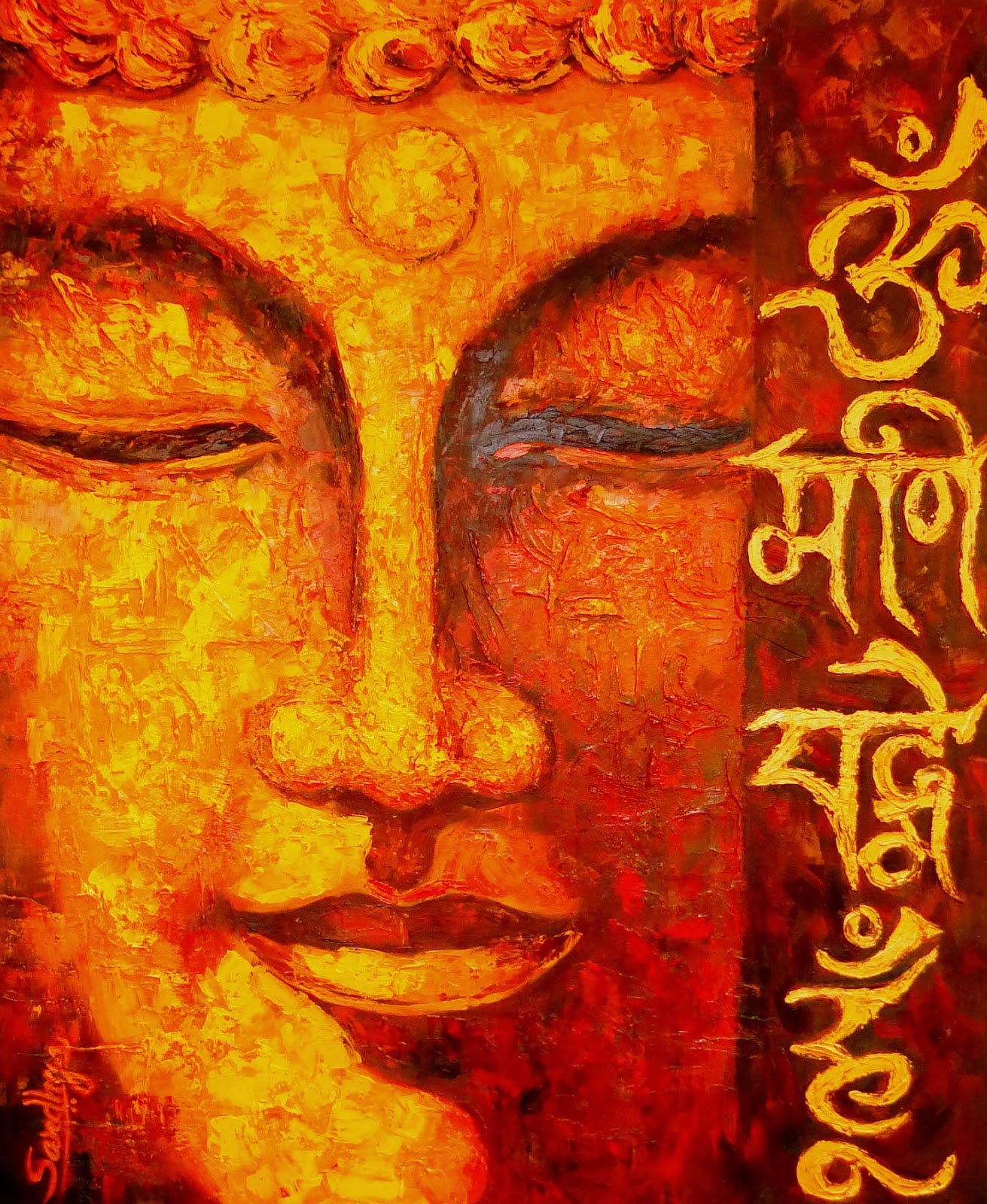
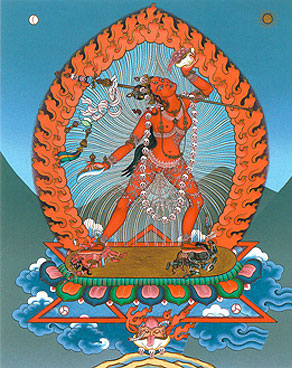
An impressive feature of these paintings is the unique colour scheme. Unique stone colours are white, red, pink, dark red, blue, sky blue, dark blue, green and light green, colours. Even the Buddha’s and the Bodhisattvas and the other divinities have a particular colour of their own. Pure gold is used in the body of Buddha and Bodhisattva, whereas the other deities are represented by their own particular colours. While a combative and terrifying aspect is depicted by red or dark blue colour https://www.sangye.it/cpg1418/displayimage.php?album=22&pos=6 . Paintings are mounted on the walls of the monasteries in accordance with certain Buddhist rules.
BASIC COURSE OF THANKA PAINTING
The course takes a long period of hard work, concentration, compassion and imagination.
ln the first period, to start with, Practice is done to make the head, the body and clothes of Lord Buddha Shakyamuni. This is done on a wooden board with the use of a bamboo pencil, black ink and white powder, with the accurate measurements and scales.
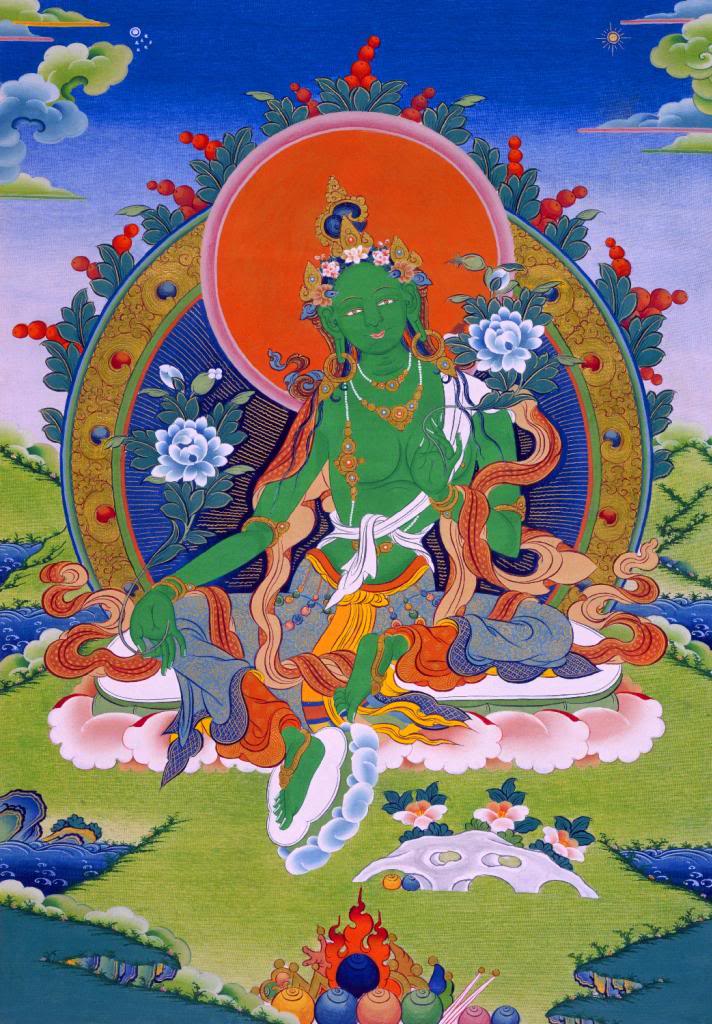
In the second period, again the head, body and clothes ot`Green Tara is practised with the same things given above.
ln the third period, practice to draw the head, body and clothes of bajara pani is done.
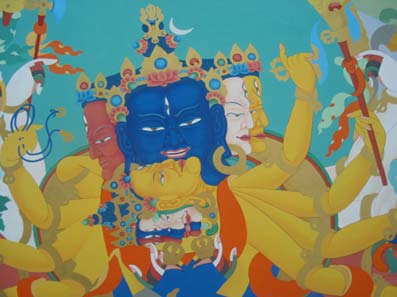
In the fourth period, again the head, body and clothes of Chakrasambhara is practised, which is wrathful deity. Fires are also drawn around the deity, as it shows the symbol of protection of religion. Till now, everything is practised on the wooden board. Now, practice is done on paper and canvas with charcoal and pencil. Here, we also learn to make ‘canvas’ on which painting is done, with a fine cloth. Then we start Thanka painting. ln the fifth period, sketches of deities, background and landscapes related to these deities are practised on the canvas, with accurate measurements.
ln the sixth period, colour paintings and brushes are made into use. How the different colours are mixed to make new colours. Some unique colours are red, pink, and blue. Pure gold and silver is used on the body of the Buddha and deities and their crowns. The background is painted according to the literature.
In the seventh period,·shading is practised on the deities, flowers like rose, lotus, sky, earth, clouds, trees, grasses, stones etc.
In the last and final period, final touch is given to the painting. When the canvas is ready, that is when painting and colouring is done it is then given a final touch. Now it is given a frame which is sewed by a white thread around it, then with a red silk cloth, then a yellow silk cloth and then a blue silk cloth, the silk is Traditional, all according to the size of the painting. At last bordered with a red thread. At the top and bottom of the painting wooden rods are attached to it to keep the painting safe. Now the whole thing is called a “Thanka”.
The paintings should always be covered. For covering it a cloth of yellow and red colour are used. It should mainly be uncovered for worship. Then one can see the mysterious world of “Thanka” painting.
 Sostenere la Mente dell’Illuminazione


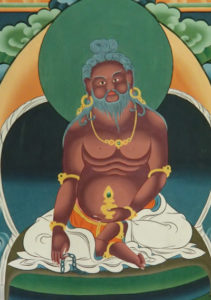
 Insegnamenti del Ven. Ghesce Lharampa Gendun Tarcin: La pratica dello Dzochen II. Sassari 19-19/01/2020. Appunti non revisionati del Dott. Luciano Villa nell’ambito del Progetto Free Dharma Teachings per il beneficio di tutti gli esseri senzienti.

 Il libro dei “Sei Lumi”


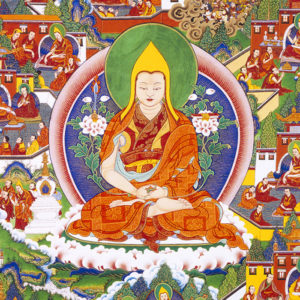
 Dr. Alexander Berzin, Matt Lindén: 10 Principi buddhisti fondamentali
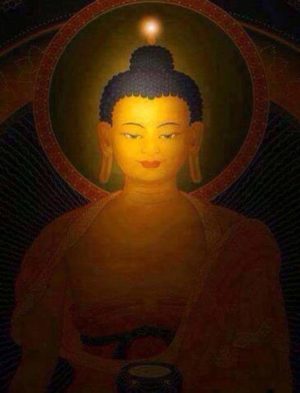 Dr. Alexander Berzin, Matt Lindén: Cos’è il Buddhismo?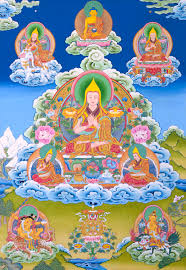

 Allarghiamo la Nostra Percezione
  Le Quattro Meditazioni Incommensurabili
 Lama Thubten Yeshe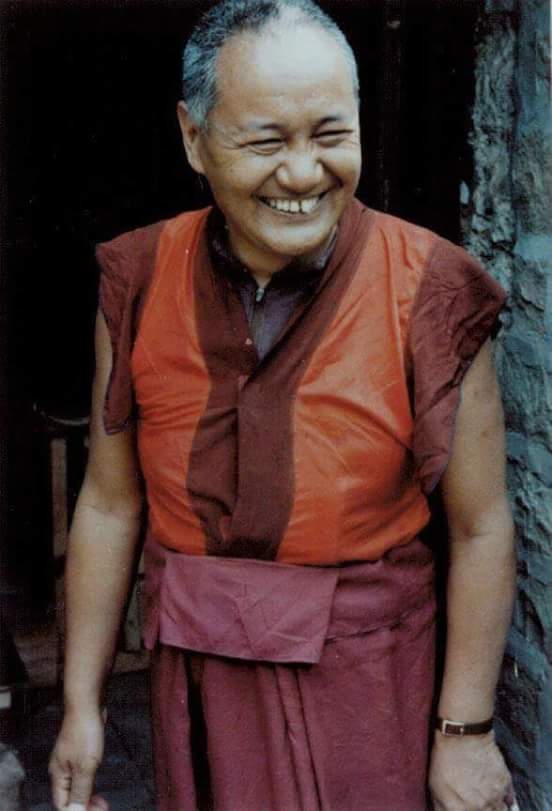
 Kandro Rinpoche Tzerigma: Il Canto Struggente del Ricordo di Lama Vajradhara e Arya Tara Inseparabili
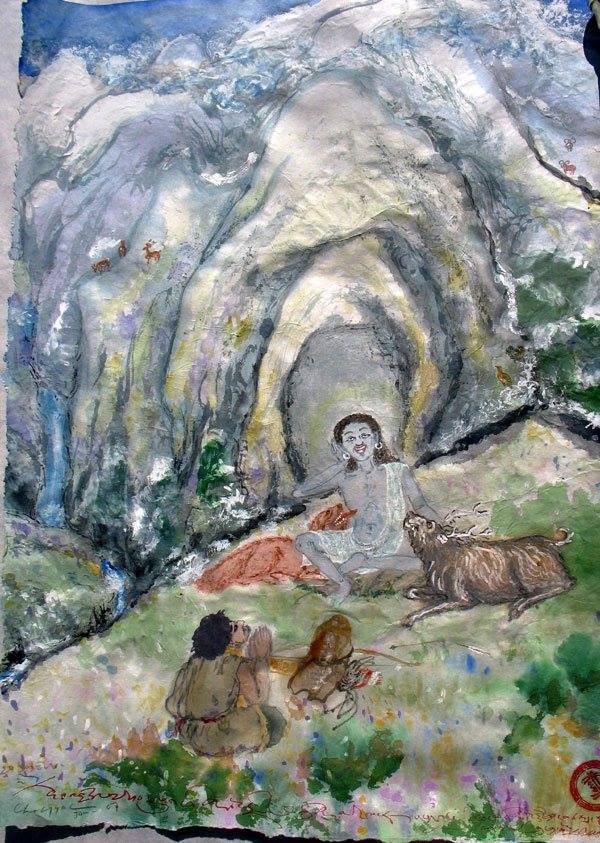
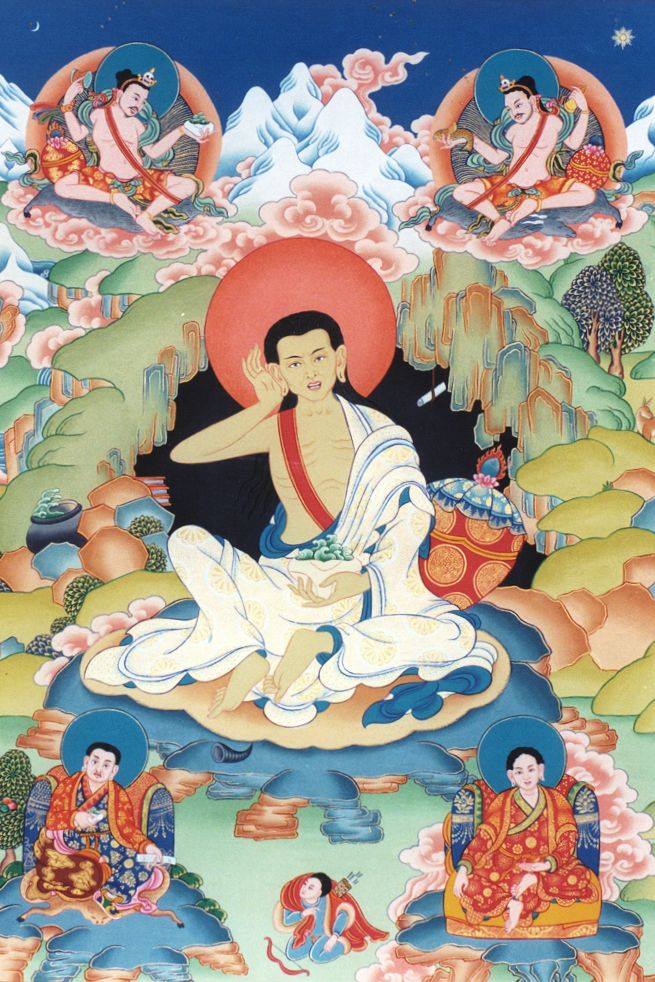
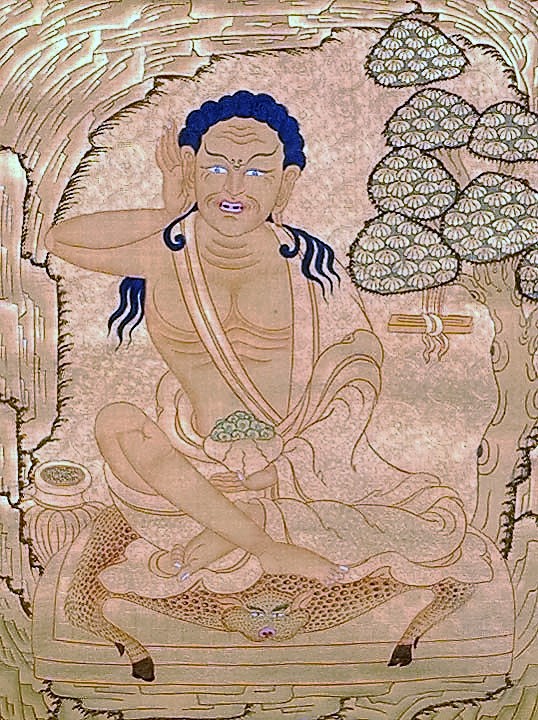
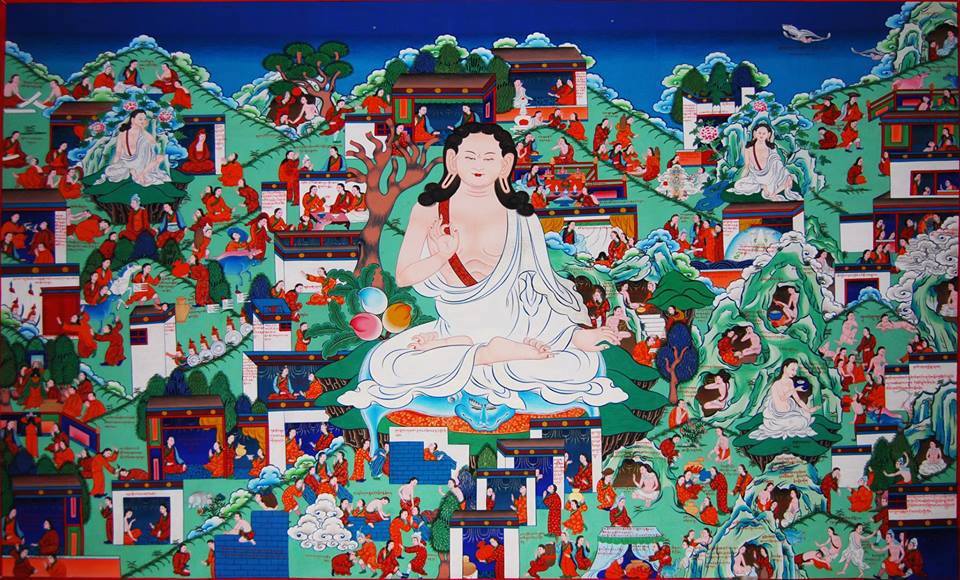 2 La vita di Milarepa: magia nera

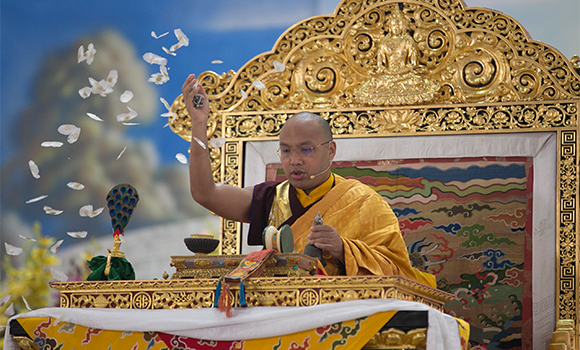 Reviving the Karmapa’s Traditions: The Empowerment and Practice of the Three Roots Combined
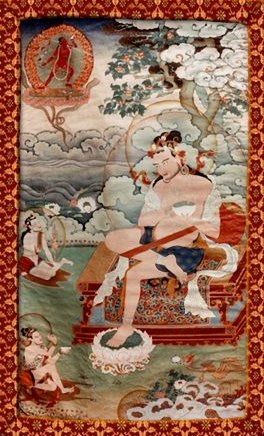
 Four-Armed Mahakala: Protector of the Marpa Kagyu
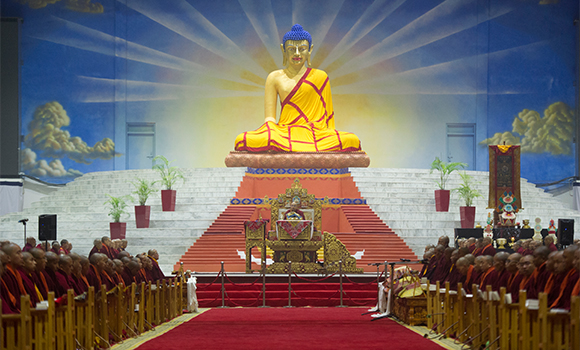
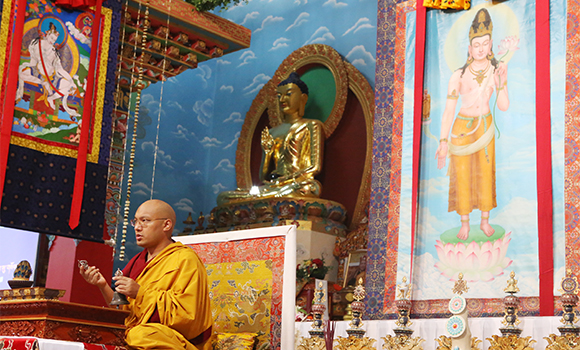 Renewing Hope for Many, the Gyalwang Karmapa Concludes the Third Arya Kshema Winter Dharma Gathering
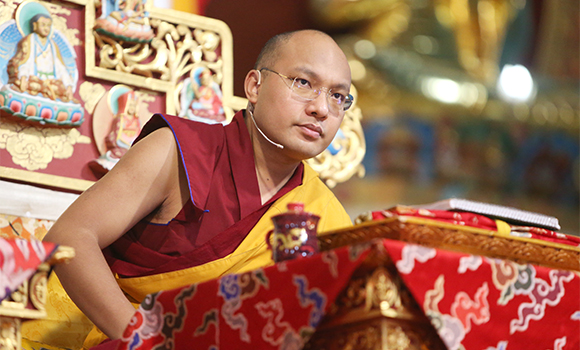 Cultivating the Delight of Rejoicing and the Freedom from Prejudice
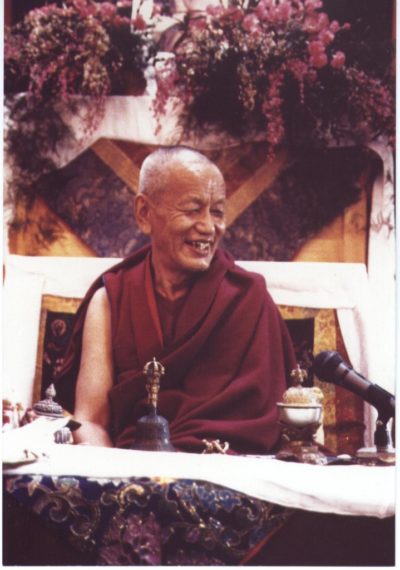
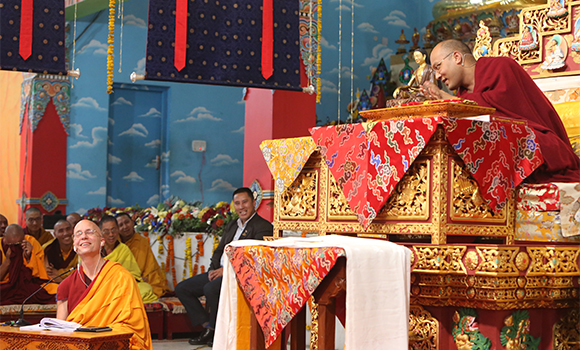
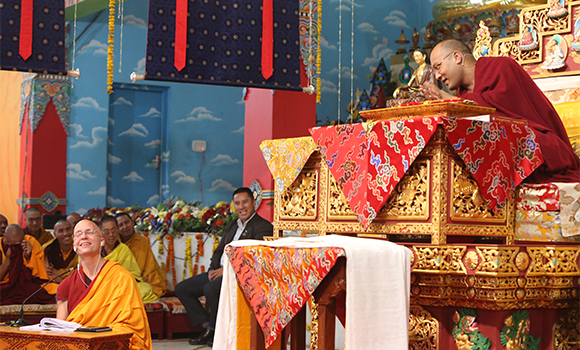
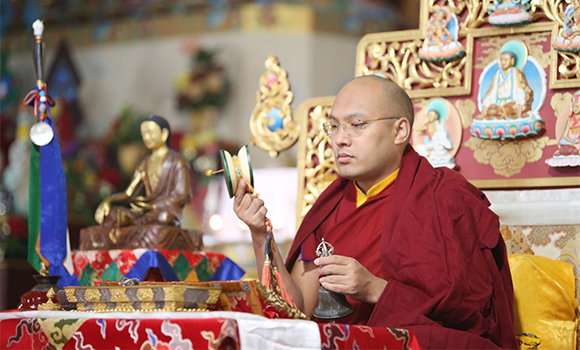
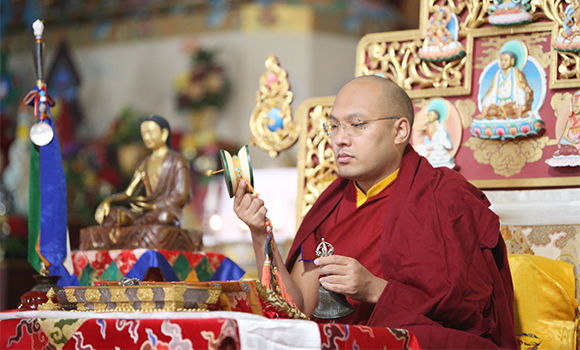
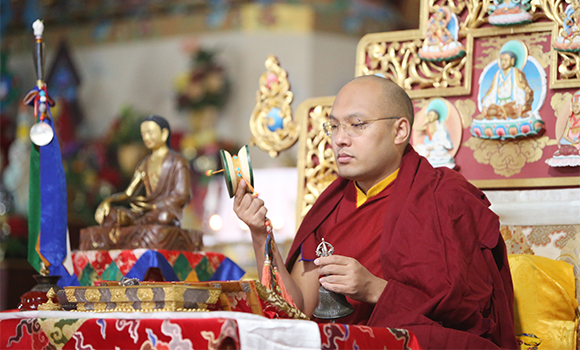
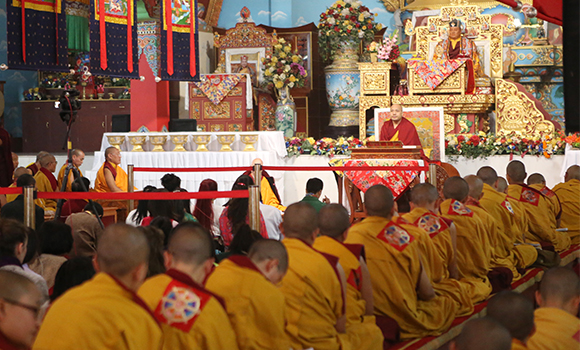
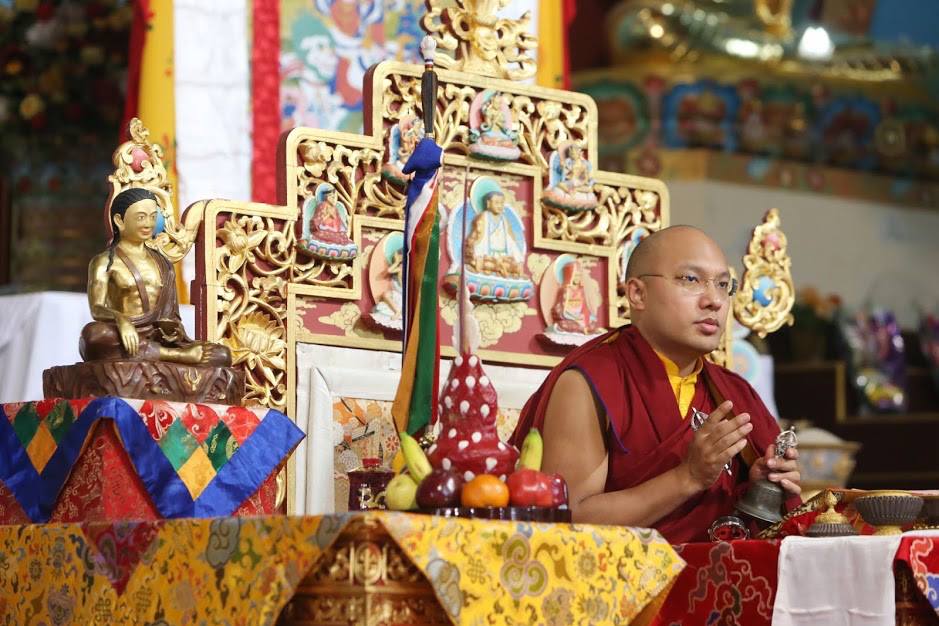 oga in the morning and in the afternoon, the offering ritual to the Five Tseringma (Long Life Sisters). In the new setting, which the Karmapa had arranged the night before, two shrines filled the central space of the shrine stage. On the right was a long, embroidered thangka of Karma Pakshi, flanked in brilliant white scarves, which brought alive the rich colors in the image of this Second Karmapa along with his yidam deity and main disciples. Two large tormas (offering sculptures) were set beneath it, and the lower one had a skull cup and butter lamps on either side. The final row held beautifully embossed gold and silver offering bowls, their generous size filled with the traditional substances.
 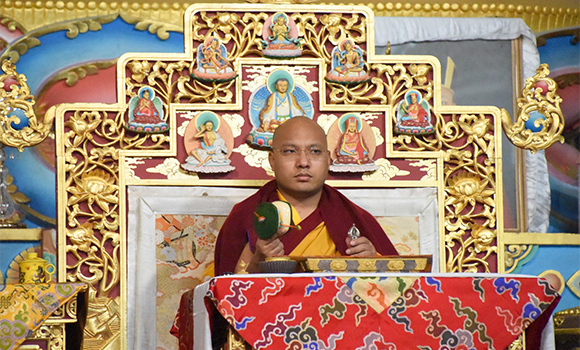 Il Karmapa Presiede la Puja a Tara Bianca: “Conferimento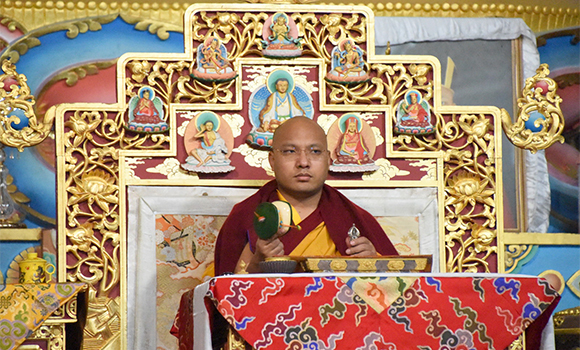
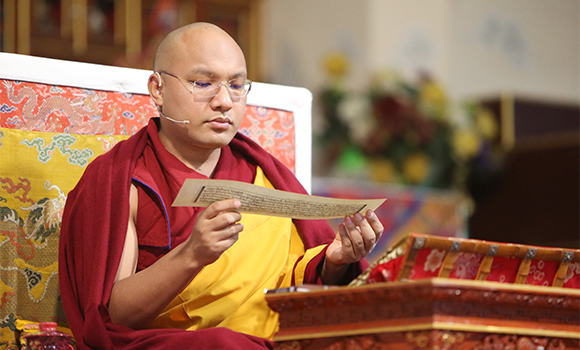
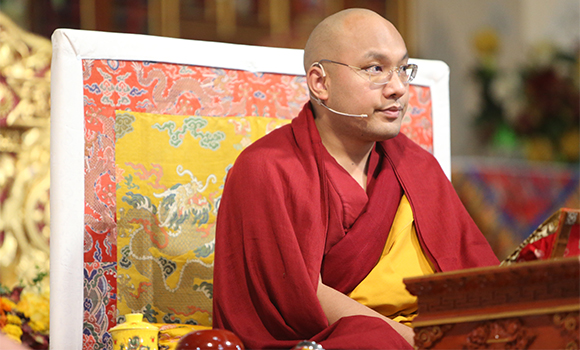
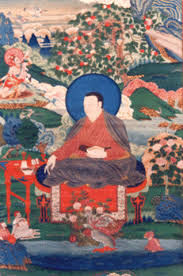
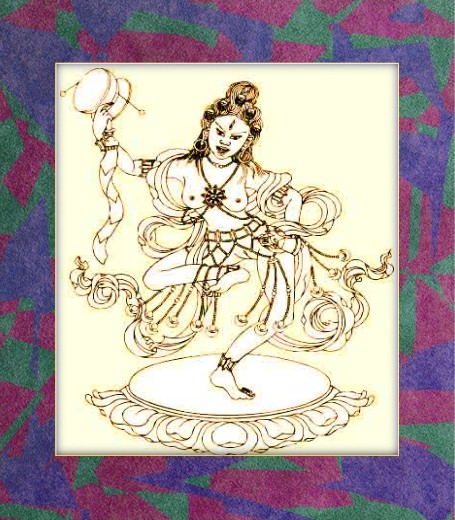 Ma-gcig Lab-sgron-ma Zama nacque nell’anno della Tigre maschio d’acqua 1062 nel paese di Pha-drug da una famiglia di studiosi e traduttori di testi dottrinali.
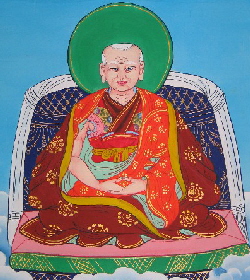
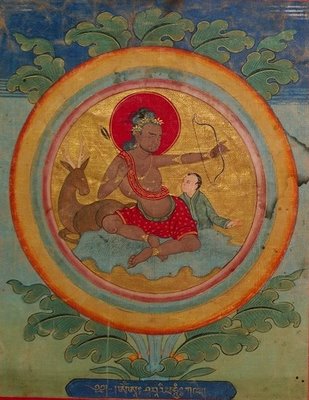 Mahamudra, Dorge Chang Tungma
 CINQUE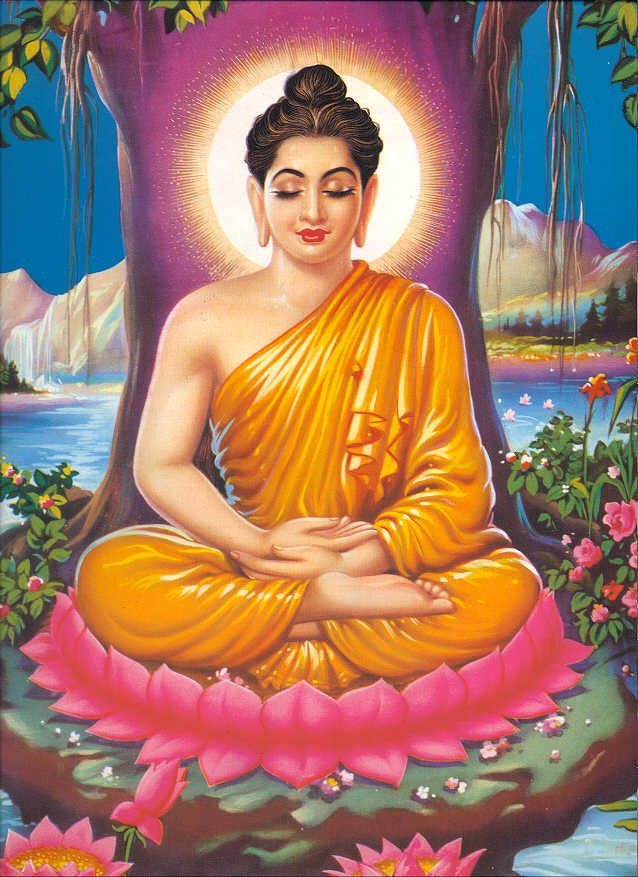
 NOVE
NOVE 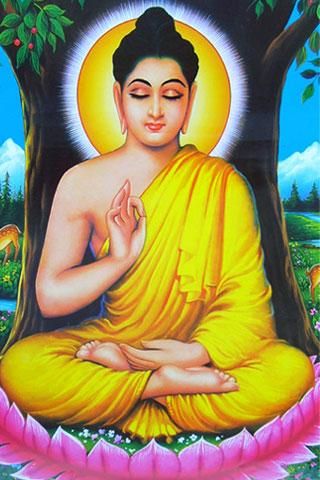 DIECI
DIECI UNDICI
 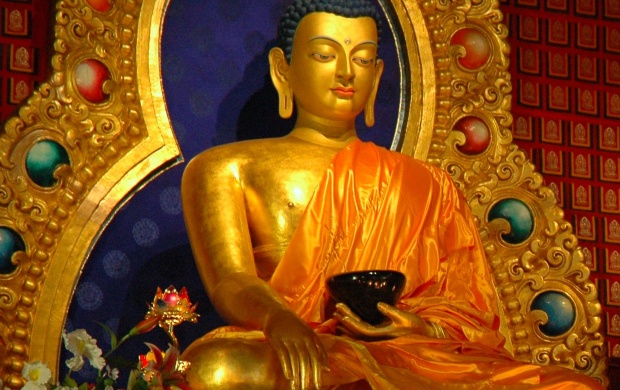 12. DODICI
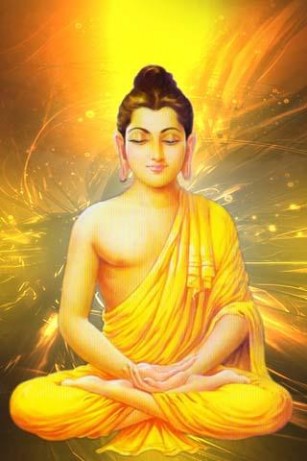 13 TREDICI
 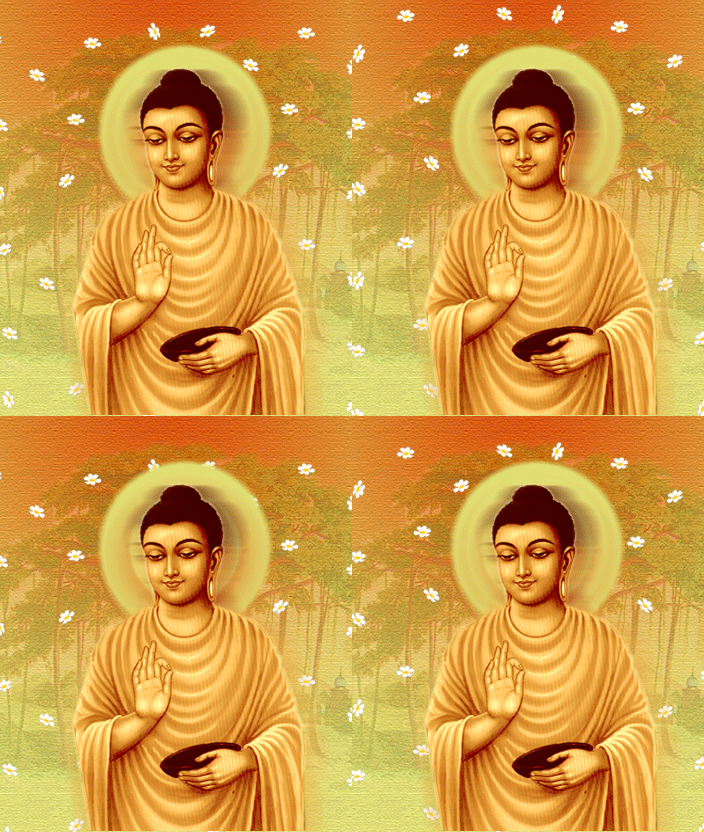 QUATTORDICI – 14
 15. QUINDICI
 16 SEDICI
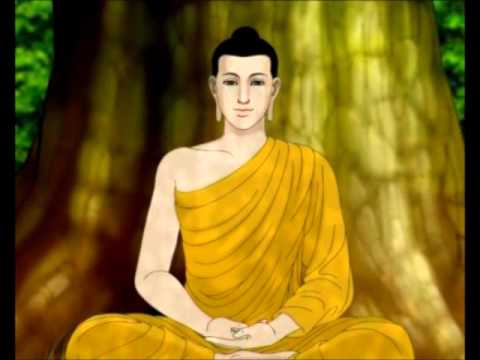 17 DICIASSETTE
 18 DICIOTTO
 Gocce nell’Oceano “I numeri del Dharma”
  21. VENTUNO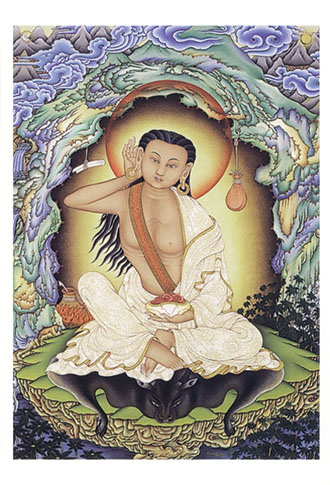
 29. VENTINOVE, 32 TRENTADUE
 33.
33.  35.
35.  40. QUARANTA
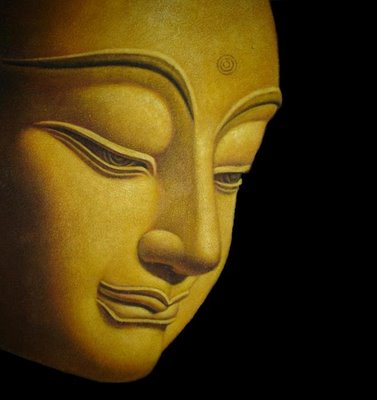 46.
46. 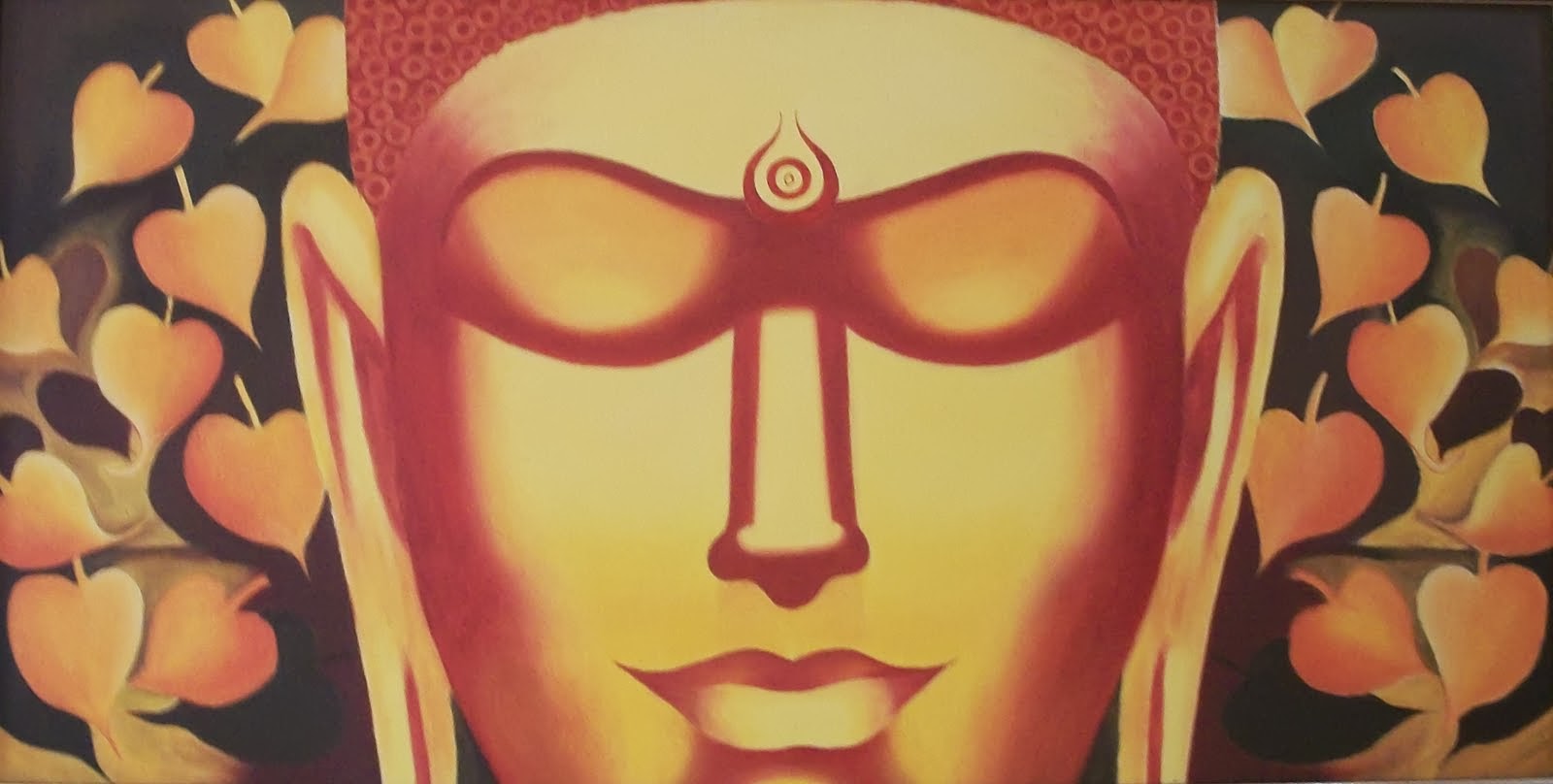 53. CINQUANTATRÉ
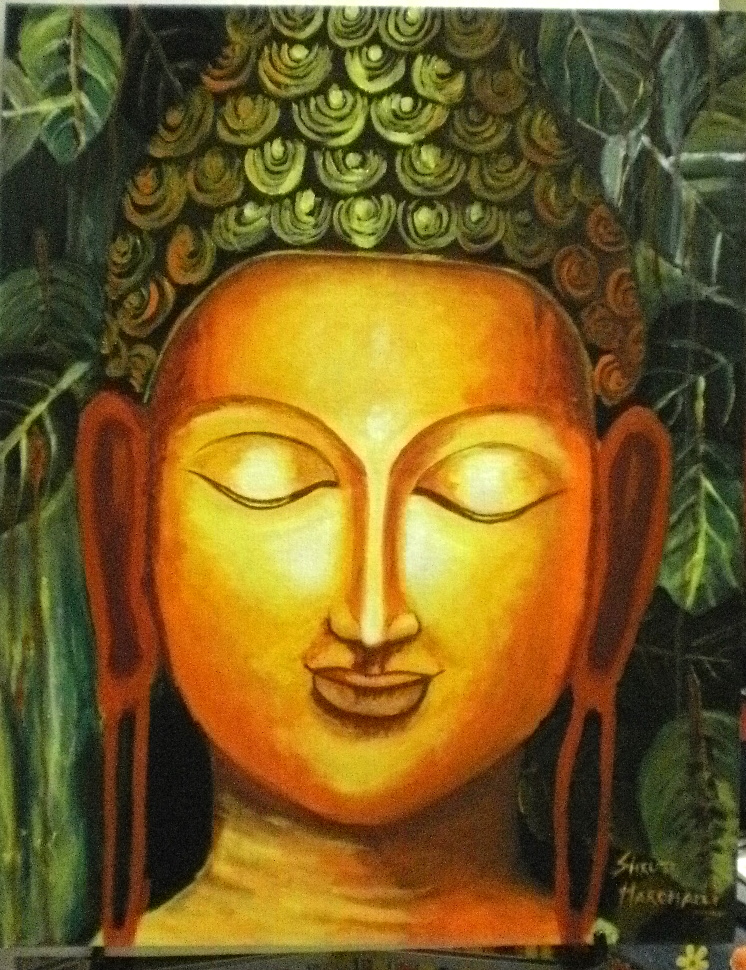 55.
55.  80.
80. 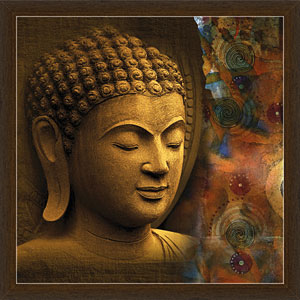 84.
84. 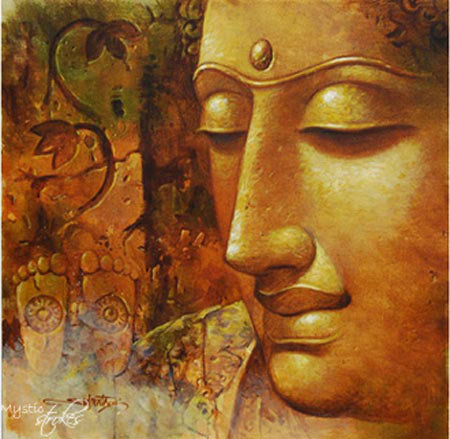 100. CENTO, 108 CENTOOTTO, 112 CENTODODICI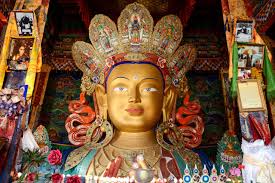
 IL SUTRA DEL CUORE DELLA NOBILE VITTORIOSA PERFEZIONE DELLA SAGGEZZA

 1 – I tre addestramenti e l’ottuplice sentiero nella vita quotidiana. Prima sessione: la scienza e la filosofia buddista come contesto; la retta parola.
 2 –
2 –  3 – I tre addestramenti e l’ottuplice sentiero nella vita quotidiana. Terza sessione: retta consapevolezza, concentrazione, visione, ed intenzione.
 Malintesi comuni sul Buddhismo
 Condurre la gioia e il dolore sulla via verso l’illuminazione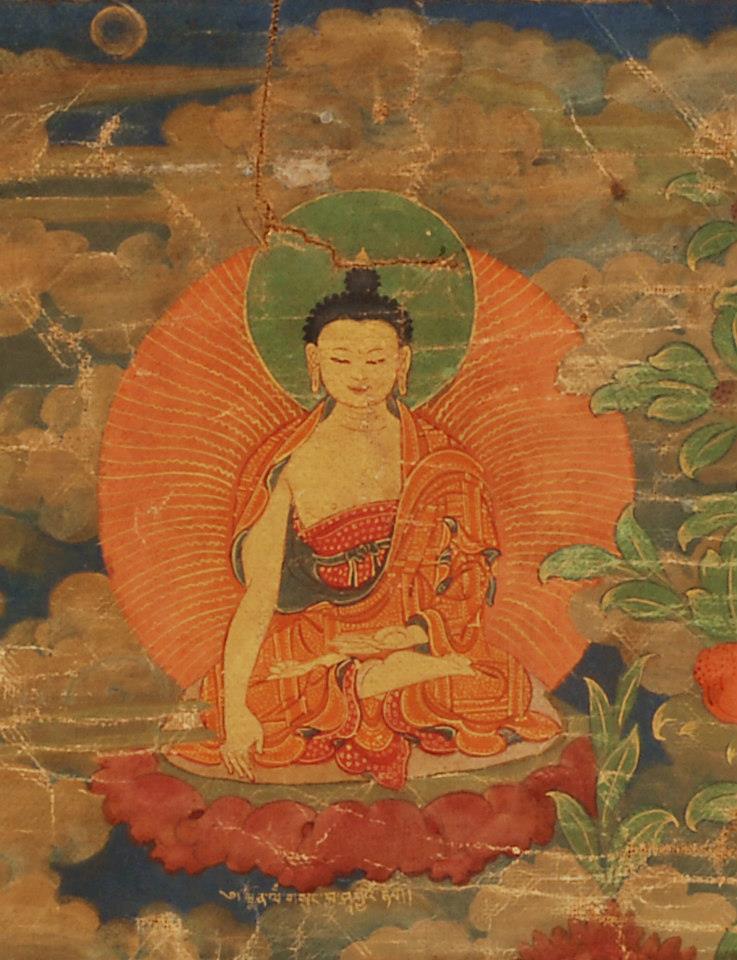
 A Precious Treasury of
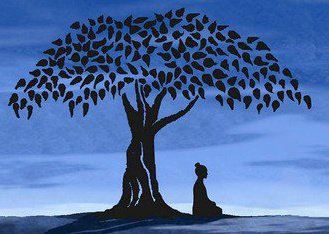
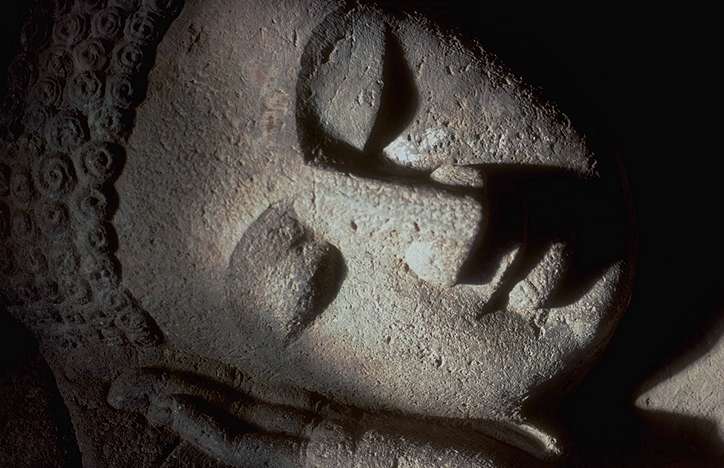
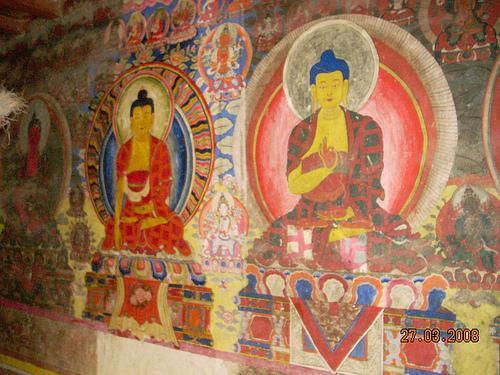
 che ricordano appunto il Parco di Jetavatana in cui la ruota iniziò a girare): l’Insegnamento delle Quattro Nobili Verità le realtà esperienziali sperimentate dal Buddha stesso.
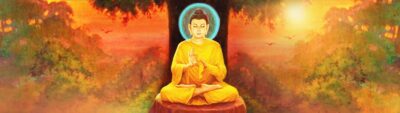 Visualizzazione per la generazione della mente dell’illuminazione.
 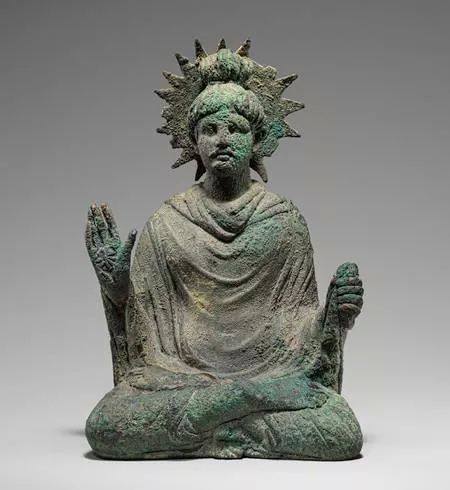 L’applicazione dei principi buddhisti nell’era dei social media
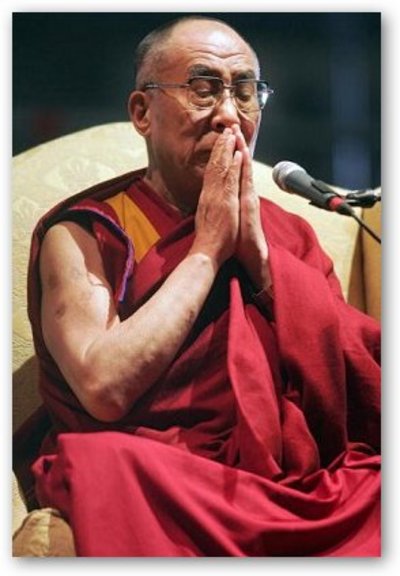
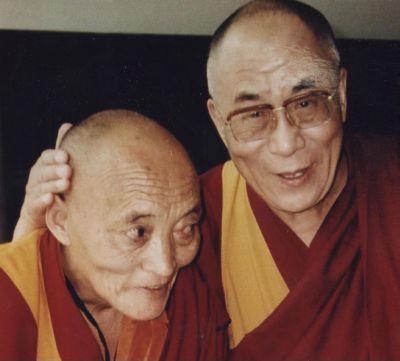
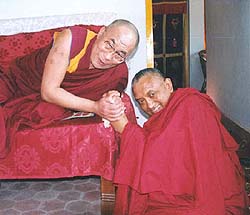
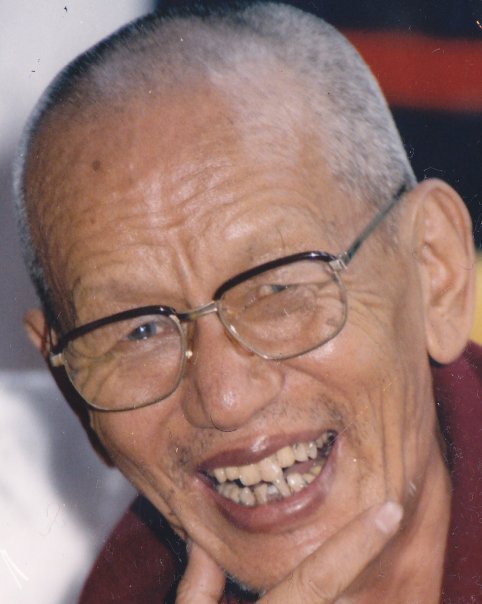
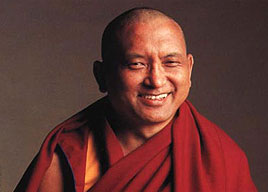
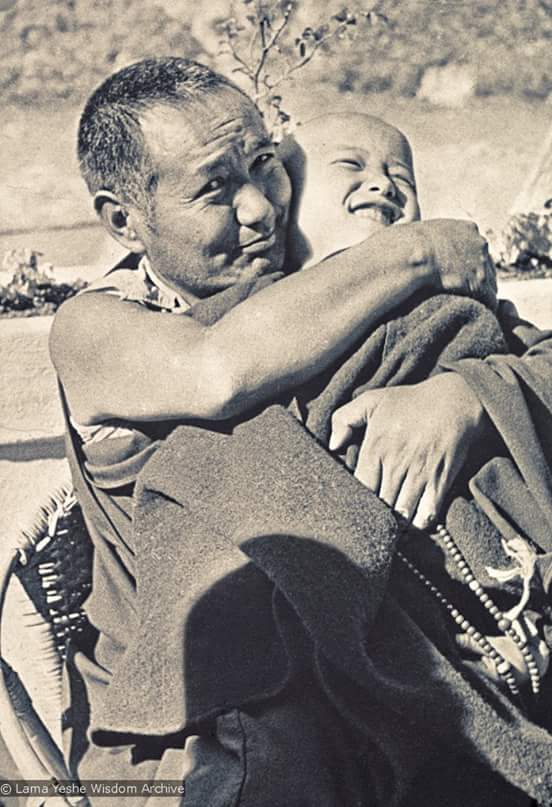
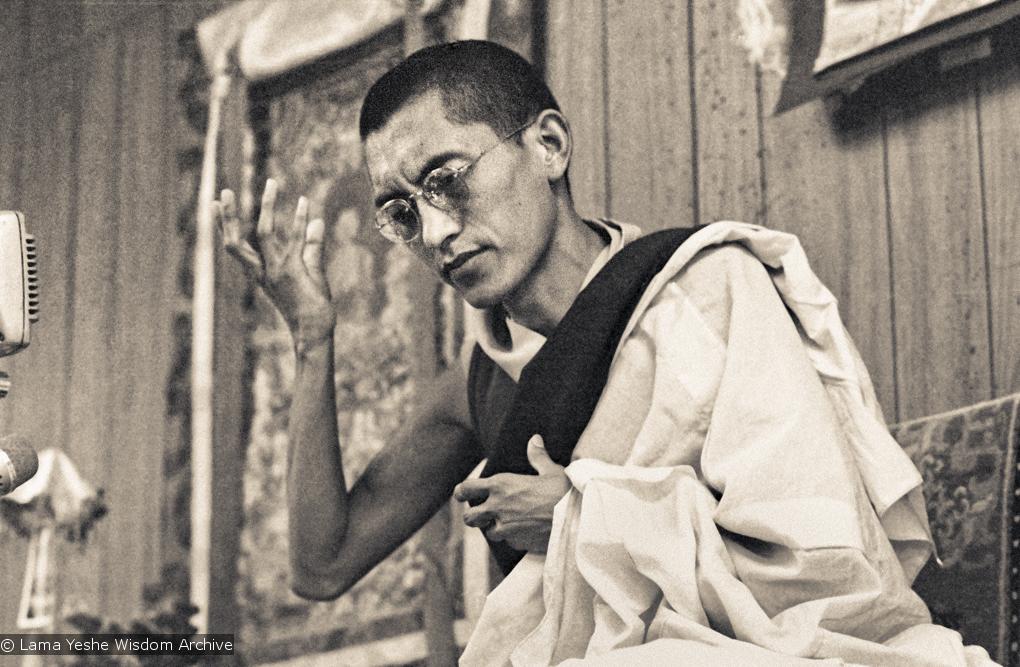
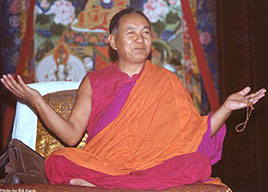 Lama Thubten Yesce nacque in Tibet nel 1935, nella città di Tölung Dechen, poco lontano da Lhasa. A due ore di cavallo si trovava il convento di Cime Lung, abitato da circa cento monache della tradizione Ghelupa.
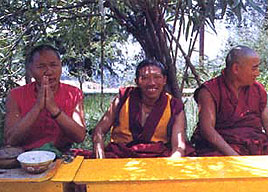 guru.Seguendo le sue indicazioni, le monache trovarono il giovane Lama Yesce, che onorarono con numerose offerte e chiamarono Tondrub Dorje. Da quel momento in poi le monache condussero spesso il bambino al loro convento perché presenziasse alle cerimonie e alle funzioni religiose che vi si tenevano. Durante queste visite, che a volte duravano giorni, egli se ne stava spesso nella stanza del tempio e partecipava con loro alle varie puje. Le monache andavano spesso a trovarlo anche presso i suoi genitori, dove egli stava imparando l’alfabeto e la grammatica; suo zio, Nawang Norbu,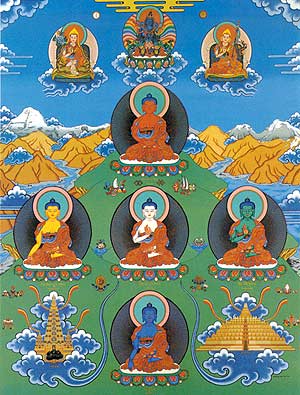
 5° Parte,
 Karma collettivo ed i disastri naturali
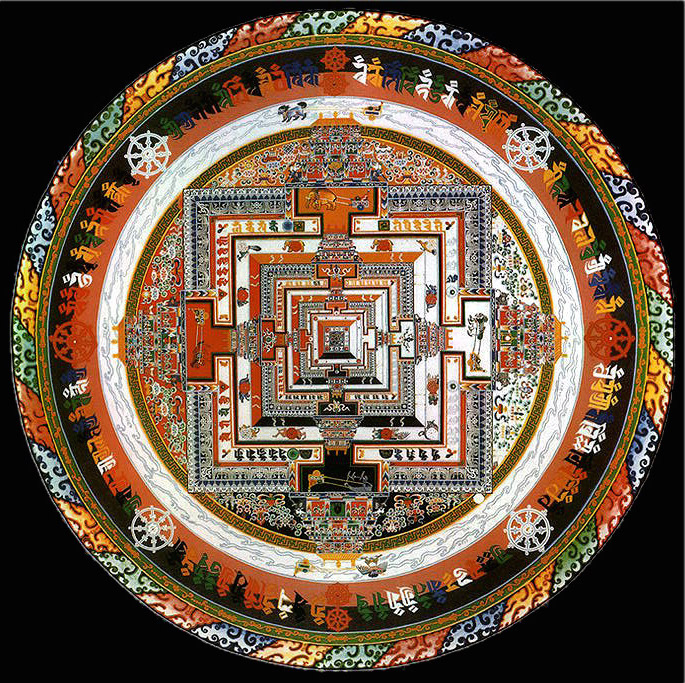 Le origini ed il livelli del Kalachakra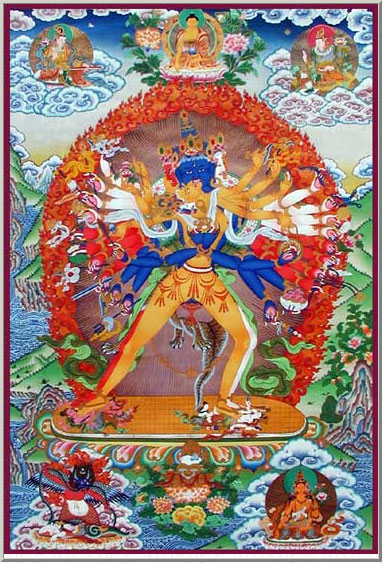
 La mente sottile della morte è sempre una mente non specificata o una